My ode to my year back in the heartland is hard to sum up into one experience. It’s been a weird year.
But yesterday, Nik and I went to Bruegger’s Bagels for lunch. After a bit of shenanigans trying to find the door from a steep downhill with majorly F-ed up sidewalks (typical of Omaha), we walked into the place having never been there before or knowing how it worked. Do we sit down? Order at a counter? Where is the counter? Are there seats or is this mostly a drive thru?
But this dude-bro kid who worked there had us covered. He greeted us when we walked in and directed us to the counter. He went over menu items with us and when Nik ordered coffee, he offered to make it behind the counter for him rather than having us make it ourselves at the coffee kiosk. He took Nik’s card, swung the point of sale thing around and tapped it himself. He offered to bring out our food to the table, and then when he did that, he offered to look and tell us which bagel was which. Instead of dealing with five or six minor struggles as blind folks in that place, it was chill.
“That was so Omaha,” I remarked.
“What do you mean?” Asked Nik, who has spent far less time here than I had.
I explained that that kid probably hasn’t had any particular training about blind people specifically. He was probably in high school. But he actually looked at us as people and thought for a couple of seconds about what we would have trouble doing in that setting and thought of quick solutions, communicated them, mostly by asking if this is what we would want, and then just did them if we agreed that it would be helpful, and didn’t if we said ‘No, thanks. We’ve got it.”
I’m not going to say that NEVER happens in Portland. It does sometimes. But it is not the norm. It doesn’t always happen in Omaha, either. But it is more the norm. The difference was really obvious. And also…it took me back to my life in the Midwest before. I had lived in the my first 27 years—half my life—in “The Heartland.” Iowa for 11 years, Kansas for about 4, and Nebraska for about 13 (now 14).
In fact, if I hadn’t come to Omaha this year, I would have crossed the threshold of having lived on the west coast longer than I lived in the Midwest. But alas, now I missed it and will have to wait another year before I hit it again. I did not notice the change in how I was treated as a disabled person in Portland as compared to here when I moved there at age 27. It took years before I could look back and see it. It isn’t like Portlanders are mean. Some are very nice and many have been very helpful. It is mor that they are unintentionally oblivious and keep to themselves. They don’t get too into your business. They largely don’t judge you. But there is kind of an “arms length” unwritten rule. It’s very live and let live. It was weird to think that I used to live with this amount of consideration all the time and never really thought about it.
It was also a great deal of comfort that when I basically crashed into Omaha with no notice, I had a myriad of extended family and high school friends—some of whom I hadn’t really spoken to much in 30 years—who were willing to step in and do just about anything to help. There is something to be said for having family close by, and I haven’t had much of that in Portland. Although there have been friends in Portland who have gone above and beyond at times when there have been emergency situations.
People talk about Nebraska as a red state, and a backwards state. And I will say that there is a bit of feeling like I’ve gone back in time here. For example, I have not been served take out in styrofoam containers since 1997. It’s also a bit weird to see plastic grocery bags. But its also nice to see that it doesn’t smell like weed everywhere and—although there is DRINKING here (ahem, no shortage of that)—there is not too many people who you are trying to deal with while they are stoned. (Full disclosure: I have seen a couple of people on the local buses who were kind of nodding out or doing the fentanyl fold. It’s not like it’s pristine here or anything. And there are homeless folks here, too. They are just better hidden. And there are a LOT of people who are not technically homeless but who are barely making it. The poverty here is pretty visible. Or maybe I’m just someone a lot of people who are upon tough times like to talk to.)
Blue dot yard signs were very prevalent throughout Omaha before the election.
As far as the red state thing, well, Omaha is blue mostly. I did get to hang out with the Douglas County Dems a bit and was on their message group. I was limited in what I could do because I am not a registered democrat in Nebraska, but was able to help with voter registration a bit. When you are blue in a red state, there is more unity and more cooperation. My sister brought this up (she is a precinct leader in Kansas, also a red state with blue pockets.) In a predominately blue state like Oregon, there is not much to lose so then you get in-fighting over HOW blue you need to be and hair splitting commences. In Omaha, with the split electoral votes and the “blue dot” campaigns this year, there is a cohesiveness you don’t find as much in Oregon. They don’t have time for divisiveness. (And even though the overall election did not go as they had wanted, the Douglas County Dems did bring home that blue dot they worked so hard for. They did a good job.)
I’ve had the nagging feeling lately that I didn’t do enough here. Like I didn’t take full advantage of my time. I should have hung out with friends and family more. Traveled to my other Midwest spots like Lincoln and Lawrence, KS. Gone out to more neighborhood spots or I did spent an awful lot of time alone in my apartment reading books, listening to podcasts and watching movies. It may sound a bit sad, but it was mostly great. Yes, there were times I did get bored and I always knew that this was not real life and a person cannot go on forever like this, but as long as I kept it to just this little weird slice of my life in Omaha, I thought it was ok and mostly fabulous, actually. I came from a household, the last 2 decades, that had anywhere from 5-7 people living in it and 2-6 animals as well. It was never quiet. I was never alone. I think mostly it was a house full of joy and love, but there is something to be said for down time. Maybe Omaha was catch-up for the last 20 years.
But I started looking back at old pictures and sort of taking stock of what I have done in Omaha this year. It’s not a packed schedule every day, but it was a good amount of stuff. This might not be of interest to anyone but it helps me to sort of collect all of the experiences I’ve had here in one place. (No, I promise I won’t list every book or podcast I read-I read podcasts!—but there were some really interesting ones.)
I flew here with about 4 hours notice and got a kidney transplant
I got an apartment arranged right quick (the process was already started, but I had to make adjustments) so my poor husband and child did not have to spend a 20th day in a hotel.
I went to the ER, had a blood clot, and spent a couple of nights in the ICU. (Dwight Lay and his cousin, Karen Guilfoyle kept me company on the phone while I was flat on my back and miserable.)
Among all of that, I filled out my 2 college kids’ FAFSA, which last year was a flippin’ dumpster fire of a mess that took weeks. And, hey! I’ve already finished this year’s, which was much easier.
I went in the hospital a few more times until they figured out why my kidney wasn’t working. I had to swap out oral meds for IV meds…for the rest of my life. I got a port.
The one kid that got suddenly left at home quickly slid right off the rails and crashed to the ground and almost flunked out of high school. Myself (and a lot of other people) swooped in to help her do damage control and get more situated.
I was able to visit my dad twice before he died in March.This was also with the help of a lot of people.
My dad died. So there was that. There was also a complicated estate process, that my sister has been dealing with and is still not quite through. Even though I didn’t really bear the responsibility of it, the whole thing was stressful and maddening.
I spent hours upon hours upon hours not only exercising and walking for my own recovery but working with my guide dog. Like, this was one of the predominate things I did every day. I did sit down exercises, I swam, I walked the halls, I walked miles outside and worked with that dog.
I worked a lot to get my kid graduated from high school (yes, that kid) and worked with her on college applications, scholarships and financial aid, housing, graduation, orientation (although Nik actually went with her) and moving in (again, I helped organize, Nik did the physical work).
I got my youngest kid into public high school and arranged all of his testing and stuff he needed to come into public school with no official records.
I got the taxes done.
I went to see Stevie Nicks and CHI Health Center, I went to the Henry Doorly Zoo, Lauritzen Gardens, Illuminarium Science Center, Jocelyn Art Museum, and walked the Heartland of America Park.
I walked the Bob Kerry Pedestrian Bridge, went to the UP museum, General Dodge House, Rails West, the Brigant House, Omni Center, Bayliss Park and the 100s block in Council Bluffs. I also went to the courthouse and got my birth certificate and ate good BBQ there. I did drive by my childhood home as well.
I got new skates and skated numerous times until the last couple of months.
I had lunch with friends and relatives a handful of times and ate at several good and new to me restaurants.
I visited Crescent, IA and my paternal grandparents homes and graves with Nik and my kid (who wanted to go there)
I visited (at least walked around the outside of) my high school and elementary school, my Omaha childhood home, Zorinsky Lake, the Westroads and Regency Malls, the Taco Bell I used to work at, the Mutual of Omaha I used to work at, and other such places.
I caught up on all my dental work which I was behind on. I have healthy teeth now.
I did a fuck ton tremendous amount of blood tests, doctors appointments, infusion visits, minor procedures, MRIs, cancer screenings, Covid/flu tests and vaccines, etc. There was rarely a week that went by when I did not have a medical appointment.
Although the bulk of this was Nik, I did occasionally help out with the business, consulting and signing off on client plans, getting paperwork together for taxes and bookkeeping, and helping when our main contractor moved on and we had to hurry up and hire new folks to replace him.
I did a deep dive into trans issues. I read a ton. I would never reject my trans child no matter what, but it was important that I really understand all sides of the issue, medical implications, best practices, etc.
I talked to my family nearly every day. I kept up with all of their goings on, new schools, new jobs, moving ins, having enough money, paperwork signed, etc.
I organized and packed up (with Nik’s help packing) my move out and extraction from Omaha.
Starting in about early October, I started having some medical complications again. I was sick with a cough that wouldn’t go away. I had a UTI that was treated with antibiotics, I have an ongoing issue with an abdominal wall hernia around my kidney that I’m going to have to get surgery for. I had a bit of a cancer scare where I had to keep going back and do more mammograms and U/S and they came up questionable. (But that appears to be resolved for now.) So, I think I’m feeling like I haven’t done enough because I was on a good trajectory and then it kind of died off and went splat.
It was a bit depressing and I felt like I was kind of failing at everything I tried. (I did, in fact, visit Lincoln, but had to almost immediately turn around and come back due to health issues.) I had to cancel on family member’s invitations. I never did get to vote in Omaha, but did manage to vote via mail in Oregon. But the last few months especially have felt kind of gloomy. I had hopes that I’d come back healthier than I had been in a long time. But the honest truth is that right now I’m sicker than before transplant. It’s not like there was any other option, because I was headed nowhere but down without a transplant, but you always hope for the best outcome and have high expectations. I’ve had to adjust, and all my problems are coming home with me for further sorting into what can be mitigated and what has to be dealt with as a new reality. No super pigg for me…yet. You never know.
So, heading out of the big Omaha to go back to the Big Oregon is a needed change and push to just keep going. I haven’t seen one of my kids in 4 months, the other in 8 months, and the third (yes, that one) since December 21, 2023 at 2:00am when I waved at her in her upstairs bedroom window as I got into an Uber to go to the airport for my transplant.
I’m going home December 21, 2024.
Hugging my little apartment good bye right before the truck taking my stuff came and I left to go babysit the dogs in the kidney hotel. It served me well.
I look forward to green trees and nature i can get to, quiet neighborhoods, being able to go on a bus or train every 15 minutes, Drivers who stop at stop lights and realize pedestrians exist. Christmas since I totally missed it last year, having the option to visit my kids in college or go to the coast or the mountains when I want, talking to my family for as long as I want and not on a little screen, just all that incidental stuff that happens in real life in families, and moving on with my life to its next chapter, even though this post transplant chapter will never be over.
But I am forever grateful to Omaha/Council Bluffs and all the people here. The University of Nebraska Medical Center and Lied Transplant Center. My donor, whomever they may be and their family for making the decision that allowed me a continued quality of life, whatever that may be. I’m still here and can figure out ways to be comfortable, kind to people, and maybe even contribute something. My friends and family who reached out even when I didn’t always reach back in any sort of timely manner. All the interesting weather. Freezing, snow, tornadoes, rain, heat, wind, more wind, humidity, big blue skies, and wide open spaces.
The Midwest has its issues, which makes it extremely difficult for me to return permanently, but it’s also just very good at heart. Do not even ever try to fuck with me about the flyover states and the corn and the red and the hickness and the flat boring plains and all that noise, cuz I might have to cut a bitch. The people of the plains—of which I am one—were here for me in ways the west coast never has been. They probably saved my life. It’s always home for me.
And with that, I and my new Midwest kidney bid my farewells to my childhood home. But I will be back.
Some pics from my time in Omaha:
Everyone commented on my yellow socks. I actually took these pics in the hospital of my feet so I could have Be My AI read the signs on the wall.In April, walking the hospital halls with Mia.A visit from Cobey to my hospital bed.The chapel that I walked by almost every day.At home IV antibiotics. I was able to prove to them that I could do it myself. Saving me ten days of being inpatient.One of my first walks with guide dog Mia and my support cane.Naim visited for spring break and got us matching organ donation shirts.Our ten year anniversary of our company celebrated in the kidney hotel with Cornflower ice cream.The first time I cleaned my apartment by myself was a mini victory. Mia, shown here on the bed, didn’t help.Avery looking through a blue and green translucent statue outside of the illuminarium.Avery at the Henry Doorly Zoo aquarium.My cousin Michelle, took this. The northern lights came as far south as Hazel Dell, Iowa during a solar storm.I went to see Stevie Nicks, my first real outing in March.Nik and Cobey in the Chiluly glass sculpture garden at Buffet Cancer Center.Avery doing schoolwork on his couch, which he named Al Gore.In front of a Union Pacific diesel train at Lauritzen Gardens.Can;t get more stereotypical in Omaha than having a dad who works for the railroad and a mom that works for Mutual of Omaha. The mutual building is one of the very familiar Omaha things to me.The Mormon bridge in North Omaha. Avery and I went down a North Omaha rabbit hole for a while. “We’re the Union Pacific, and our story’s just begun!” Since my dad died this year and Avery is train crazy, we did a lot of UP reminiscing.The dogs in my apartment astroturf dog run.Nik trying to figure out if he can fit in a play structure by Lewis and Clark Landing.Avery doing, IDK. He was a big help here…until he got a nasty foot infection and couldn’t walk. Oh, yeah! That’s another months long thing I/we accomplished this year. Fixing Avery’s toes!The view outside my apartment patio and courtyard.Mia in my assigned parking spot. Tried to get some use out if it. My sister used it the most.The trendy, revitalized 100s block in Council Bluffs, IAAvery liked visiting the Willa Cather library.Snow outside my apartment. Temps got down to -20 F.Model train at Lauritzen GardensMe standing by my great, great, grandparents’ headstone in Crescent, IAThe Taco Bell on 144 and West Center I worked at in high school is still there.My sister and kids went to Durham Railroad Museum.My new skates. Getting these was one of my first solo errands. They were my transplant/ birthday present.My friend, Jeanne Saadi,gifted me this colorful blanket she knitted herself. it kept me warm in -20.Mia and I liked to go to Hanscom Park. Here we walk through gardens at the Gerald Ford birthplace.Nik worked as much as possible in some strange places. Here he is on the phone in the kidney hotel while I mostly slept all day.First outing to my apartment pool. One of the ways I eased back into exercise was swimming.A train coming by the tracks at Rails West in Council Bluffs.Everywhere I lived thus far there was a blue light to guide me home. The blue 63 on my apartment building served as this home’s blue lamp.Nik at Jocelyn Art Museum by the fountain. We took pics with Be My AI of the paintings until my phone lost internet connection. We mostly went for the vibe.Naim at Durham Train Museum (the old Union Station.)Mia hanging out at the cancer center during infusion.Naim hanging out with me during infusion.Mia on our first trip to Baxter ice arena. Skates on ice was the first goal.Downtown CBMia and a dog friend at AkSarBen dog park. Her ears are flying!In the penalty box at Baxter taking a break. At first I did 10 minutes skating with a 5 minute break.
The image is a popular meme featuring a man with a thoughtful expression, pointing to his temple with one finger. The text on the image reads: “You can’t have social anxiety if you refuse to be social.”
I sit here in this weird sabbatical in my Omaha enclave, everyday basking in the wonderfulness of being alone with hardly any responsibilities as I improve my health. The only thing nagging at me is that lots of people I like are reaching out to me, and I’m not so good at reaching back. Which gives me guilt. But in my aloneness, I’ve had time to think and overthink and analyze why the hell I am such a social procrastinator and dreader when I really don’t have reason to be. And I guess someone could name it some pathology like agoraphobia or social anxiety disorder. And that might be accurate. But again, I think—like I do about many such pathologies—this implies there is something inherently WRONG with me. Not saying there isn’t. But to me it feels more like a natural response to what’s wrong out there.
So here is a brief history of how I got here by decade. (Like as if you’d believe I can be brief. Bwahahaha!)
The 1970s
I was a fairly quiet but normal kid. I had school friends, neighborhood friends. Occasionally saw cousins, etc. I was never super extroverted. I never got in trouble at school for talking or being loud or anything. I was just a kid.
One thing that I remember that was significant about the 70s was that in 4th grade, I got these crazy glasses. I had worn glasses since I was 18 months old, but these glasses were very weird and unusual looking. When I got them, I was late for school because I had been to the ophthalmologist that morning. I walked in the room wondering what everyone would say. My teacher, Ms. Hopper, looked at me as I sat down at my desk. She immediately addressed the whole class. ”Lisa got some new glasses that help her see better, which is the most important thing. Everyone needs to be supportive and friendly and tell her how nice they look.”
I kind of wanted to sink under the desk, but for the rest of the day, kids came up to me and said,, “I like your glasses.” And they never teased me about them or anything. I was self aware enough to know they looked weird. But I think people knowing me from before, being used to me and Mrs. Hopper setting the tone immediately stopped any teasing in its tracks.
The 1980s
Which all went to hell when in 6th grade I moved to Omaha and went to a different school. I was teased relentlessly about my glasses, first at my elementary school and then in 7th grade when it started all over again in middle school.
Thus began my practice of becoming invisible. The more invisible I was, the better my fate. Although I had skipped school a few times in 5th grade, this also started my skipping habit and realizing that literallly no one cared if I was at school or not. No one noticed. Not teachers or kids or anyone. Unlike my contemporary, Ferris Bueller, this Ferris did not worry about having to barf up a lung to miss another day. This was a victory for me. Also around this time was the start of my segregation with the other special ed kids for some parts of the day. I was pulled from PE class and put in the resource room. There was a stigma of going on that walk down the hall, but once you were inside the room, it was a relief. I had fun with those kids, although often we had nothing really in common except for having an IEP. We hung out together at lunch and at other times not so much because we liked each other so much (although it wasn’t like we didn’t like each other, but it was more a friendship of survival than really coming together on common interests). We were using each other for strength in numbers, and we all knew it implicitly.
High school was better but largely because I continued to be as invisible as possible. I had the long stigma walk to a different resource room at the end of the hall, where I remember things like this guy in there saying he wanted to marry me but only if I got a job and supported him because he wasn’t going to work for a living. I said, nuh uh, so he upped the offer by promising to cook and clean for me. It was stuff like this. I had no interest in him and he had no interest in me, but we knew we were at the same status in the school hierarchy and we had to accept each other no matter what, because it was not coming so much from outside that room.
There were things that were just perceived by me to be out of the question of participating in. I would not go to something like homecoming or prom or whatever because the stress of that, and the possible visibility of it was just something I didn’t have the energy to deal with. And to be honest, I wasn’t that interested.
In my junior and senior year, I joined more stuff like journalism and “rifle squad” where we twirled rifles with the band. Rifle squad was ridiculous for me to join. I had gotten out of PE because of the risk of retinal detachment if I was hit in the head, but then I joined a group where I was throwing essentially a large, blunt instrument 2 inches from my face. I had basic competence with the rifle, but I caught the rifle in a way that was wrong and I could never correct it. Instead of just having it land in my hands, I reached up and “cheated” the last half turn. I bring rifle squad up because it was an example of how I seemed to purposefully pick the most impractical, underdog group or activity out there.
In rifle squad, we wore cute short skirts, but we were not on the same level as the cheerleaders or the drill team. People made fun of rifle squad, so it had to be right up my alley. We would perform at pep rallies and if anyone would drop their rifle, it made this huge BAM! BANG! BAM! on the gym floor and everyone would hate cheer. Then, if it was you, for the rest of the day you would be mercilessly teased about it. I got demerits from our captain once because I dropped my rifle and laughed. She thought I did it on purpose. I did not, but I could not help laughing at the whole half cheer/half boo response to it all. I had long ago developed a hard shell about being made fun of, and I didn’t care. It was just such a funny reaction. Being in rifle squad was like being in the resource room. There was safety in the group, and even many of the very popular drill team girls, who we shared 6am practices with, were usually nice to us, and sometimes that alliance helped outside practices in the HS hierarchy. But we were not popular outside of that. This was becoming comfortable to me as a place to live. Barely visible Freaks and Geeks or what have you.
Journalism was better and became a safe place, in regards to the physical rooms that journalism was in, I was accepted there and could hang out there safely. But I did not really hang out outside of school with them. I think I was too invisible. They were nice to me but just didn’t think about me that much. Looking back, I probably could have tried harder but never bothered. To me at the time, I had to be very careful to stay in the narrow zone I was given to walk the halls in peace and so that meant staying pretty low-key. But I liked journalism and it certainly made my last two years of high school more tolerable.
The 1990s
The 90s were when I was the most social of all. Granted, it was largely (though not entirely) with blind and disabled folks—which meant it was disregarded by some others in my family, etc. (Why can’t you find a siiiiiiiiighted guuuuuuy to date so he can taaaaake caaaaaare of yooooooooo??? I heard a thousand times.)
I spent my freshman year at Baker University, a private Methodist liberal arts college in Baldwin City, KS. There were only about 1000 students, so less than half the size of my high school. Besides the other blind student who was a year ahead of me so everyone called me her name all the time, I mostly hung out with the girls on my wing in my dorm here, went to a lot of frat and some sorority parties, went to games, activities and what not, and was more or less accepted by people there. I probably have other blind girl to thank for this, actually. She had paved the way. But also, I had grown into my blindness by this point and had started using a cane and thus sort of “outed” myself as blind and proud for the first time. So, unlike high school, I didn’t think there was any great thing wrong with me anymore. I learned how to effectively take the blows, looks, treatment, etc. that happens when you are a non passing blind person with a cane. My thick skin came in handy and I just let all that stuff roll off my back.
Baker was not a good fit for me financially or academically, so I transferred to the only school I could afford, the University of Nebraska in Lincoln. This is where my blind friends were and my boyfriend was, and so although I had a lot of friendly acquaintances with roommates and classmates at UNL, I largely hung out in the blind community. When I started establishing my childcare business with disabled kids, I would reach out to organizations like the ARC and met more adults and kids with disabilities. Back then, the nascent disability services office was just starting and so that was another place I was required to hang out to do tests or use the computer. Since we were kind of winging it because there wasn’t well established services, the disabled students who met in that office traded services. So, I might carry books and walk with a person with cerebral palsy and they might read for me. I got rides from a quadriplegic woman and in exchange I cleaned her apartment for her. Stuff like that. We were very much in it together.
One thing people don’t realize is how much disabled people are segregated into sort of being forced to hang out together. From the resource rooms at school to separate housing in dorms to taking tests separately in class to being seated in the gimp section at concerts and events. You are always put with other disabled people so that is who you meet, befriend and get comfortable with. In these years, I started to see how my social life was diverging from the mainstream. I got along with nondisabled people ok, but it’s a different culture and you find yourself sort of code switching. Which you literally have to learn to do to make good in the world. You have to try to keep one foot in the nondisabled world and not completely surrender yourself to the crip world. But it does get exhausting. You have to know how to keep nondisabled people comfortable all the time and understand how they feel, educate them about disability stuff in a nice way, be self deprecating, laugh at their dumb jokes you’ve heard 80 million times and patiently answer their questions. It’s not like you don’t like nondisabled people, and the vast majority mean no harm and are just trying to connect the best way they know how. But it’s like, when you go back to the disabled crowd, it is just like…sigh of relief. My people!
For example, one of the reasons I think I was so social in the 90s was because in college, a lot of people don’t have cars and college campuses are very walkable. So, I was able to come and go as I pleased for the most part, which gives not only myself, but other’s who might have felt the obligation to drive me more freedom to do what we wanted when we wanted. The disability community does not give a shit if I take the bus to meet you somewhere or take the bus home after midnight because I am tired. The nondisabled community acts like this is a fate worse than death which makes it awkward all the time.
When I went to KU for grad school it was more of the same. I was put in the gimp basement with the other disabled people and we hung out. I got involved with the Blind Students Division so befriended more blind folks. One interesting thing that happened was that a professor was really pushing me to be friends with these couple of women in my class (in grad school you have class with like no more than 8 or 10 people and you sit around a conference table with the same 3-4 professors, so it was a small group.) These women were nice enough, but they sort of treated me like a charity project. Again, I gravitated towards the student with CP that typed with her toes and the student with a hearing loss caused by a cleft pallet which still left some disfiguring of her face. There was again the assumption that I should socially “do better” as if I should drop the disabled friends and “marry up” to some nondisabled friends. I think her motivation might have been more inclusion/less segregation. But again, I was put my entire life with disabled people in all the rooms and seating and dorms. Every single day of my life I had to walk into the classroom, grocery store, workplace, etc. as the only disabled person with all eyes on me. You need time off from that. The flipside of that was that all these nondisabled folks were spared exposure to us as well and we became like a novelty to them. It is hard to create genuine friendships under those circumstances, even if everyone has the best of intentions. We all got along ok, it was just never a very deep friendship.
When I moved to Oregon and was looking for work, I started substitute teaching, which brings up another thing that happens socially to disabled people with very visible and stigmatized disabilities. Every time I went to a new school, I was afraid of what would happen when they found out I was blind. What saved me with subbing was their desperation to have an adult body in the room at the very last minute. Subs were assigned via an automated phone system, so no one knew I was blind till I got there. But in other areas, I did not have that leverage. I think every disabled person carries around a low level (and sometimes high level) of anxiety about what kind of social barriers they may run into. It doesn’t happen all the time, but happens just enough to make you always worry about it. When I go to the doctor, will they help me with the paperwork or kick me out? When I go to the parents meeting, will anyone talk to me? Will I be able to participate? Will they bother with the accommodations I asked for? When I go to the skating rink, will they let me skate? Will they call me a faker? When I cross the street, will they stop for me? When I go shopping, will someone help me find my item? When I go to the bar, will anyone bother to tell me where they are sitting and ask me to join them? It goes on and on and every time you leave your house, there are always these things to consider.
I ended up getting a job at OHSU and worked on grant-funded projects that provided research about and some service to adults with disabilities. There were a handful of my colleagues that had disabilities as well. Mostly it was good there, but sometimes I felt like they pulled the disabled people out and hid them away like props depending on whether they thought it politically advantageous or not to have us around.
At my job performance reviews. I got good reviews for my work. But I also got that I was not friendly enough. “You just don’t care,” said my supervisor. I shut myself in my office and didn’t go around and talk to anyone like I should to built rapport. It was not true that I didn’t care. I certainly did not want to hurt anyone’s feelings or be an inconvenience for anyone, but I think this was more of a logistical issue for me.
By this time, I was starting to be a real deafblind person instead of just a blind person. As an accommodation, I had my own office because I was on the phone a lot and my phone was really loud and it was easier for me to hear without background noise. Also around this time, I was starting to have kidney issues. I was in and out of the hospital and was on some medication. I was FREEZING in that office ALL the time. Like wore my coat freezing. Another coworker who was quadriplegic needed it to be cold. So the compromise was that since I had an office, they gave me a small space heater and I shut the door. All I wanted to do was be in that office with the heater on and the door closed. It was not meant as a snub to anyone. Anyone was welcome to come in my office and I talked to them when they did. But generally, it was becoming exhausting to talk to people all day, I was on the phone for my job enough, I was cold and sick, and I was not making a grand social statement. Just trying to get through the day really. But I guess people read into it that I didn’t care and was antisocial. So then I made myself do a twice a day tour of the side of people’s desks. Thank god I had my guide dog, Mara, to socially intercede for me in these sort of contrived interactions. Everyone loved the dog, so face it. That’s probably what they really wanted.
The 2000s.
I had started skating in the late 1990s in Oregon when the #adultsskatetoo movement was just starting. I noticed here that a shared skill or interest can sometimes trump a disability. That was the majority of my social life for many years, adult skaters. None of which were disabled. Well, I did have a friend who worked at the skate rental desk who had Down Syndrome. I needed him to watch my dog as I skated and we had a whole thing where he called me his sister and I called him my brother and Mara, my dog was our little sister and what not.
One of the adult skaters I was friends with said, “wow, you are so comfortable with him, how do you do that?” And I was like, because he is a person and he’s funny, and he takes care of my dog—what? I told him he needed to get over himself and he needed more exposure to disabled people. I asked him if being around me made him more relaxed around other blind people and he said, well, I don’t think of you as blind. You can skate! Here is another thing that happens with nondisabled people. It’s this trying to classify you as anything else than just an equal person along side them. Maybe, like this guy, they would get it in their head that you are not really disabled. I can skate. Blind people can’t skate. Therefore, I must not be blind. I told them that there are other blind skaters who have no vision who skate. I have some vision, but I can’t drive a car, I can’t see at night like at all, I can’t really read print, I am always working and strategizing out on the ice to not run into people and it does limit my progress as a skater. But his version was just to not think of me “like that.” He meant well, and we were friends for many years before losing touch.
The other versions of this are to either put you up on a pedestal (“you’re so amazing that you skate”) or put you down as an object of pity (“I’m so sorry for you, here, let me hold your hand every minute on the ice and hover.”) Both may come from good intentions, but neither put you on a level playing field. The problem there is that you never get past the acquaintance phase of friendships. It gets stuck. People don’t see you as someone they can relate to if you are up on a pedestal or down in a pity pit. But mostly, I had good relationships with the fellow skaters because despite whatever they may have thought about me being a disabled skater, we didn’t talk about it. We talked about skating.
For a while, when I became a parent, this seemed to be the case, too. I was involved with mom groups at Gymboree, or at the UU church or at my kid’s homeschool coop. For a while, momming or homeschooling seemed to be enough of a shared interest to trump the whole disability thing.
Then, the most flippin’ bizarre thing happened. And Nik and I have talked about this, so he knows what I am about to say. I had worked for 6 years, with some success, to build communities for my kids. When Nik came into my life in late 2009, it all collapsed. Like instantly and unequivocally. It was bananas. People who I’d talked to for years stopped talking to me. People who I had volunteered with and for did not want me to volunteer any more. It was sudden and always happened soon after the first time they met Nik. Whatever tolerance they had for me before, as a mostly normal looking, low vision/low hearing person was tipped over the edge to intolerance and ablism when Nik, who is totally blind and very visibly blind with eye abnormalities, came along. Instead of being Lisa, the mom who has trouble seeing and hearing sometimes, we became that blind couple who are really, Really, REALLY fergin’ disabled. So disabled that it’s freak show time.
Which pissed me off. Here I was in all of these supposedly liberal communities that are all about acceptance and tolerance and inclusion and it was all virtue signaling crap. DEI, my ass. . It made me not want to deal with any of those people anymore, although in every group, there were always a few nice people who were not like that, it was annoying and you never quite knew what you were going to get. Even when Nik won some of these people over because he is such an extrovert networker, they still scaled back to the sort of acquaintance/tolerance stage. I had volunteered in childcare for years with no issues, and now I had people coming in to watch me and criticize that I let the kids be too loud, when it was the same as always. We even saw people get up and leave when we sat down at a shared table. We became outcasts, because I married a guy.
A problem that many disabled people have, especially in the mom social economy, is the problem of reciprocation. Before Nik’s appearance apparently marked me as TOO disabled, I had participated in the sort of mom economy where we share childcare or rides or food or birthday party invites or cupcake bringer or what not. I did favors for others, they did favors for me. After Nik, I was effectively kicked out of that economy. (To be fair, I had always had trouble with this issue, but for a while, the mom thing seemed to trump the issue. It may have been a case, like skating, where if I was a mom, it meant I wasn’t blind, because blind people aren’t moms. But then Nik proved my blindness bonafides to a level they couldn’t ignore). Suddenly, even though I still offered to watch kids, bring cupcakes, etc. I was no longer asked to. When people perceive you as not being able to offer anything to the community, they largely stop sharing with you as well. Sure, there are exceptions, but everyone who drives can get the occasional ride to work or to the airport because implicitly, they know they can ask for that favor in return. If you can never drive them to the airport someday, and they don’t even perceive anything else you could do to be worthy enough, you are knocked out of the shared community economy. It doesn’t matter how inspirational they think you are, you are not one of them and you are not included. So, after a while, I just kind of gave up the stress of even trying much in these communities. (I mean, it had been YEARS of trying.) I started not setting foot in my kids’ school unless it was a very special event they were involved in. They seemed to fare better that way.
This is also why “asking for help” is such a bloody minefield for disabled people. First of all, I can’t tell you how many times I’ve asked for help and been told no, or gotten a reluctant yes but with the caveat that they can’t do it all the time (I had not asked them to do it all the time.) But there is this idea that if someone gets dragged in to helping a needy disabled person, they will set a precedent to be burdened for life. OR they want loads and loads of thanks and appreciation (beyond reasonable appreciation) and it becomes sort of a white knight thing where they are pushing help upon you not because you asked for it, but because of how it makes them look. Or if you ask for help, you will be percieved as being incompetent. For example, if you ask someone to help you look at something on your child’s skin, all the sudden stories will come back to you that you can’t really properly raise your child because you needed someone to look at a thing on your child’s skin…when that was exactly what you were doing to take care of your child. The person saved you an unnecessary trip to the doctor maybe, they did not save your child from you. Or they may help you once with dinner and then go and talk about how they cook dinner for you all the time because you are blind, and never think that you cooked all the other dinners yourself that month. On the other side of that, if you don’t ask for help, you must have a chip on your shoulder. You must be an angry gimp who “has too much pride.” You can’t win this no matter what you do with many people. You learn that people are going to think whatever they want to think, and asking for help when you are disabled is not the same thing as asking for help as a non-disabled person. The whole asking for help thing can be a rather insidious tightrope to walk.
The 2010s
The irony of Nik’s effect on my social life is that he is the most outgoing, extroverted person who literally does not give a shit if you don’t like him because you think his eyes, the way he moves, his weight or whatever makes you uncomfortable. He networks with everyone, all the time without any reservations whatsoever. For me by the 2010s, between a combination of anxiety about the odds of which person is going to exclude, reject or put barriers in front of me and my decreasing means of being able to communicate in the usual nondisabled ways, I started throwing a lot of the social communication responsibility onto Nik.
Nik was making all of my medical calls, school calls, etc. If I couldn’t do it via email or online application or text, I threw it to Nik. But as he got busier with work, it became a problem when I would have to wait 3 days to have him make a doctor’s appointment for me or return the school’s call about a field trip or something. So I know I was going to have to find effective ways to communicate on my own.
At that time, my deafness had increased a lot and I didn’t really have a workable method of making phone calls. Or sometimes, even talk to people in person in loud situations. I looked to the Deafblind community for advice. Say what you will about the evils of social media—which I get—but for some communities like the DB community, social media opened up a whole new world of connection for them. Deafblindness is extremely rare and before social media, it was extremely difficult for any one DB person to talk to any other DB folks. Now there are DB communities of several varieties online, and DB people can directly communicate with each other, which they often couldn’t do before without the use of multiple interpreters.
Deafblind people communicate in a variety of ways depending on their background and skills. Many come from the world of ASL and ProTactile and might not have good written English or read braille. Some, like me, come from the blindness world without a strong background in ASL, but a good background in Braille and written communication. I took my cues from people similar to myself, like Haben Girma, who communicates with a braillle display and a QWERTY keyboard that she hands off to the person she wants to communicate with. That person types, she reads it on her digital braille display, and then she is able to vocalize back a response, as am I.
Since everyone texts now and no one hardly calls anyone, changing up my communication to text based and TTY based for the phone did not seem like it should be that big of deal. Nik and I spent countless hours practicing with different keyboards and braille displays and apps to find out what would work. I made a concerted effort to work to improve my braille reading speed and accuracy. I started taking over some of my communication tasks from Nik. First by doing my own phone calls with TTY. (TTY works via online app. A relay operator talks to the person I am calling and types what their response is to me,which I can then read and respond.) I was a bit excited to try to get back into the world again with my new adaptations.
>>>>record scratch<<<<<
From the time I was a kid with funny glasses, to when I started using a cane, then a guide dog, then a guide dog 2.0, then marriage to a capital B Blind person, then TTYs and Braille, I have noticed the difference in the ways people perceive you as to them, you come off as more and more disabled, even if you can—using accommodations—effectively do the same things you’ve always done. You are essentially the same person, maybe with a couple more accoutrements, but the same person you were yesterday. Yet their whole perception of your ability and worth as a person keeps circling the drain deeper and deeper into the toilet.
The way I was treated when trying to explain to people that I either needed to text or use TTY or hand them a keyboard to communicate was nothing short of appalling. Although my actual physical disability was gradually changing as such a minuscule rate as to barely be noticed, adding one more thing, like just explaining that I need to text, or message via MyChart—things people largely did anyway—took the ablism I faced to a whole new level. One of the reasons I am sitting here in Omaha, with an Omaha transplant team is largely because my first interactions with OHSU during the height of the pandemic when no one was meeting in person and I was communicating via TTY with them. They about lost their shit, and never seemed to fully recover, even though I eventually was able to meet with a couple of them in person and use voice communication.
So, this was another set of anxieties for me. Every time I communicated, it had the possibility of turning out disastrous where doors would be slammed tight instead of opened. In all these situations, it is never everyone. There are always people who are cool and who just adapt quickly, and work with you. But there are always just enough to create that anxiety about every interaction. Is this interaction going to be positive, or workable at least, or a dumpster fire of ablism?
The anxiety causes me to try, somewhat subconsciously as I’ve done a lot in my life, to *Pass* as nondisabled as I can pull off. This then becomes sort of another reason to be anxious. Because trying to see and hear and act like sighted hearing people do is REALLY HARD WORK. And often it doesn’t work so you miss a lot and then have to use your brain to figure out what you are missing and fill the holes and think of a proper response. The responsibility always falls to me to make the other person more comfortable, not the other way around. The deal seems to be that I have to meet people all the way, straining as far as I can, because if I can’t or won’t do that, I will fall into their category of too disabled to deal with.
The 2020s
My ability to communicate in traditional ways is limited by time before my brain gets too exhausted to do it. It’s like, if someone was throwing math problems at you, you could probably sit there and do them in your head effectively at first. But after hours of it, your brain would fatigue and you would just start flaking off and you might get headaches or stimulus overload or something.
As I’m dealing with this brain and auditory/visual stimulation fatigue, I’m also well into stage V kidney disease and on the transplant list by now. This brings in what I will call physical anxiety in social situations. Especially as a person who cannot drive. If you have a serious chronic illness, you become high maintenance. Maybe you need a bathroom, or a source of water at all times, or a chance to lay down and rest, or less noise or light or access to pain meds which may make you dopey or you h ave good days and bad so it is hard to commit to anything. All of these things make going out to socialize kind of scary. When you have to depend on someone for a ride, it becomes more out of control and more anxiety ensues. Again, I’d rather take the god forsaken bus than have to worry if I can go to the bathroom because my ride has gone off somewhere or whatever. Or if I will have to bow out early because I’m just too tired. So these physical aspects became Very Big Deals in the last few years and basically overtook much motivation and energy to try to socialize.
…and finally here we are in Omaha…
At six months post transplant, I’m still trying to figure out what my body is capable of. I am not cured, I was given a bit of a reprieve from running towards death. I seem to have more good days and more energetic days thus far, but I still have bad days. I have been able to improve my hearing aid situation in the last couple of years which now allows me to make short phone calls and hear a bit better. There is also new technology like automatic live captioning, which is far from perfect but can help to the point where I don’t need a relay operator for many calls. I still have communication fatigue, and I still have “holy shit, is this next interaction going to be positive or hit the fan” anxiety.
Nik went back to Portland to be with the kids but also specifically because he knew that I needed to not depend on him so much and see what I can do. (The irony there is most people assume by looking at us that he is the most disabled one who depends on me, That was never true, but it the last few years, it couldn’t be farther from the truth. He has really taken on the role of caregiver, and I’d like that to stop or at least significantly decline.) In the first few weeks without him, I was struggling to do the basic things to just take care of myself and my dog. Cooking, laundry, taking the dog for walks, getting myself to my own appointments without his navigational and communication help was all I could concentrate on. I have gotten much better at it, but it took a while.
Lots of people have reached out to me. People who I like and who I want to connect with. And I have ignored a ton of them. I have sat there and spent days working myself up to replying to a simple text. Then I think, I’ll just do it already. Then…they text back and I have to reply!!! Oh NO!!! The relief was short lived. I know it’s ridiculous. These people who are reaching out to me are not people I need to worry about much or be scared of. They are the old crew who’s been around for years. And then I still have to talk to people I don’t even really want to, like the pharmacy financial office who CAN’T DO ELECTRONIC PAYMENTS LIKE ITS 1989 and can’t fathom that its hard for me to pay by phone because I’m deaf and blind so can’t read the card easily and OMG can’t your caregiver do it for you??? ongoing bullshit ad nauseam. So, then that means that I’ve worked up all my mojo to deal with their asses so someone I actually like got put on hold for another day. Still, that is where I’m at. I guess the grand very obvious conclusion from all this is, DUH! I guess I have developed social anxiety disorder for SOME reason. <shrug>
So, I’m trying. I have a list of people. I’ve not forgotten anyone. And THANK GOD for my online friends who’ve known me for like 20 years and never expect me to show up in person or talk on the phone. Thank you guys! Decades long online friendships are the best, it’s the new normal, right? But to everyone else, it really isn’t you. It’s me. That and my above mentioned 15 paragraphs of shit.
And also? I’m good though, besides this. I love my little solitude in my little apartment more than is probably healthy too. But I will be going Back to Life, Back to Reality soon and taking whatever nerosies want to come along with me.
I’ve now had my guide dog, Mia, for just shy of 9 months. She will turn 3 next month, and Nik’s guide dog, Cobey, turned 3 in June. Although there has been a lot of progress, they are nowhere near where I would expect to have a dog that has been with us this long and who are 3 years old. Still, there have been lots of improvements.
I will start with Cobey, briefly because he is not my dog and so I can’t say I have a detailed knowledge of how he is doing, especially since Nik and I are now temporarily living in separate cities. Cobey remains a very loving dog and loves attention. I do think his desperate need for attention and to be touching a human at all times has gotten somewhat calmer. As far as guiding, 2 main things seemed to help a lot. The first was—except for meals, of course—discontinuing all food and food rewards. Food aggression has been an issue, in that although we usually have always fed our dogs together with their own bowls, Cobey was way too aggressive towards us and the other dogs when we did this so we had to start feeding them separately. Which is not that big of deal. But he couldn’t guide with rewards. He could do ‘tricks’ like the stop at the curb trick and stop at the stairs trick, but he lost his shit about everything else if there was food around. He was literally so focused on Nik and the food pouch that he would run into things (or run Nik into things) If I had food for Mia and Nik didn’t, his attention was entirely on me and he would ignore Nik entirely. Nik cut him down on food rewards gradaully over about 7 days or so and then cut him off.
Nik and Cobey standing in front of a Chilully glass art display at the Buffet Cancer Center where I get my IV infusions.
It was a changed dog. It wasn’t instant, it took several days before he stopped looking for food. But he started paying attention to Nik more and actually started to figure out the job of guiding. Since Nik will actually smash into things if Cobey doesn’t go around them, you started seeing him thinking ahead about obstacles in front of him. The other thing that helped tremendously was for Nik to stop using his body position and hand signals when crossing streets and to just use words at intersections. Before, when Nik would go up to an intersection and not be exactly aligned, Cobey would use where Nik’s hand signals went and where his body position was to cue him into what angle to cross the street at. By just stopping and doing nothing with his hands or body and just saying “forward” when the time is right, Cobey figured out the intersection for himself without following where Nik’s body went. It solved 100% of Nik’s intersection issues in just a few days. Now, Cobey just uses his little dog brain and aims for the other curb with perfect crossings. I have seen Nik be all askew at an intersection, walk out at a 45-degree angle, and Cobey just correctly straightens and walks to the opposite curb. The less Nik points with his hands, the better Cobey does. And yes, he understands English. Now, the main issue they are working on seems to be that Cobey walks incredibly slow. My best guess is that he has finally learned the overall job and is concentrating on it, and maybe as he gets more comfortable he will speed up? But I’m not totally sure what is up with that.
Nik with both Cobey and Mia at the infusion clinic. They are tucked under the little couch while I get my port set up, which we try to keep as sterile as possible.
So, Mia! Where to begin. I know there is talk about how it takes a year to get a new guide dog fully adjusted. I call bullshit on that. It should not take that long. I would say the most adjustment should be in the first 2-3 weeks, but then by 3 months, all should be fairly well and adjusted. At least that has been my past experience and the experience of many others. What I am doing now with Mia is an anomaly and really the only reason I am able to do it is because I am in the unique situation I am in now, where my kids are mostly grown, and I am stuck in another city recovering from my transplant. Basically, my responsibilities here are to take care of my health and recovery and to work with Mia, with a small amount of assistance to family and business administration issues. If I would have had to come home and start a 9-5 on Monday morning, there is no way I could have kept Mia and do what I am doing, which is to retrain her from scratch.
I mean, that isn’t totally accurate. It is not quite like I am training a new puppy that has no inkling of guiding at all. She has good obedience and sometimes I can see that something clicks with her that she has learned before, or she half knows to do something, but not quite in the way that makes practical sense. The other side of that is that I still can tell that she has been damaged for lack of a better word. One of the main things we have been working on is just simply bonding and for her to see value in our relationship, because she largely doesn’t care too much about people except when they feed her. She is in to DOGS.
Mia and I outside the Lied Transplant Center next to a sign that says Nebraska Medicine Lied Transplant Center Drop off/ pick up. The last two years when I had to come once a year, I had taken this photo with Marra. We joked that you could get your drop off/pick up kidney in the drive through because that is what the sign says.
Her bond with Cobey is one of the strongest I have seen. I don’t know if or how much time they ever spent together when they were kenneled, but since then, Cobey had her entire attention and interest. To the point where Cobey would come and hide from her at times. When Cobey left here in June, I grew concerned that I had set her back again with yet another thing she loved that was taken away. She did not spend much time with me voluntarily when Cobey was here. And when he left, she hid under my bed for much of the next week. She would come out for food and walks if I got down on the floor and coaxed her, but that was it. I spent a lot of time those first couple of weeks just laying on the floor and reaching way under the bed to pet the tip of her tail or a paw that I could reach. Slowly, she has come out more over the last few weeks and will now readily voluntarily sit with me and engage with me. Although it was not totally in the plans for my transplant logistics to be like this, I think us being alone in the apartment together was the best thing that could have happened to us. She is still very into other dogs and I try to give her dog time in appropriate places like our apartment’s dog run where there is never more than one or two other dogs. But now, she is being more personable with me and also with other people. Some of my relatives came the other day and she was all in to visiting them and getting pets from them. In the past, she might come for a second and have a sniff, but then she would revert to playing with Cobey.
Mia spent days and days under my bed after Cobey left and would not come out except for food or outside. It was reminiscent of when she wouldn’t come out of her kennel at guide dog school.
Our transition to Omaha for my transplant was not ideal for a new guide dog but I don’t think it was that devastating either. A few months after I got Marra, I broke my foot and was on crutches for two months. I was actually fairly stationary in my house because its almost impossible to go anywhere when you are blind and on crutches with no hand for a cane or dog. I asked my trainer, Mike, if I should worry that Marra would forget everything in her training and he said not to worry about it. I started using her again when I had a walking cast, so I was still walking a bit oddly and slowly. It was a nonevent. She just picked up where she left off. So, I figured Mia could handle a few weeks off. She had 2 changes of location. She went from Oregon to a hotel where she stayed for 17 days, and then to the apartment where she has been ever since. After about the first 24 hours, when they figure out that they have their food and water and outside time and a place to sleep, neither dog seemed too phased by the change in location.
One of the times Mia came to visit me at the hospital and I did my hall walk with her.
From December 21-February 2, I was in the hospital a total of 23 days. And when I was home, I could not use Mia. So that was the biggest break from work she had. However, her main caretaker, Nik, was a trained guide dog handler who also graduated from the same school. He did bring her to see me a few times in the hospital. Although I had a short 3 day hospitalization in early April and a weekend trip to visit my dying father where she stayed with Nik, she has been with me and we have done at least some kind of work on guiding consistently. In early February, it was just short walks around the apartment building outside and I had to use a support cane, too. But we built up over time. Starting in about mid March, I started using her as a guide dog to places I actually had to go, like doctor and lab appointments, plus additional walking. Because Cobey couldn’t deal with Mia getting treats without going cuckoo bananas, I often had to not use treats when he was with us and then walk by myself with treats without Cobey later in the day to work on guiding specifically. My point being, although not ideal, she had less time off guiding than Marra did when I broke my foot. I don’t really think our 43-day break, when she was still with me or another guide dog user, was responsible for the issues she has guiding, although I recognize that it did stall any progress we would have made during that time.
One of my early walks with Mia and my support cane. Mia pulls a lot sometimes, and at that time I was not strong enough or well balanced enough to stay upright when she was that unpredictable, hence the cane. It took me until about mid March before I was confident enough to use her on every day trips without the cane.
The first thing I noticed about Mia is that she can have decorum and stay nicely seated like on a bus or in a restaurant if I take a zero tolerance approach. She still gets up every time a waitress or nurse comes toward her—not to greet them, but to get away from them often. We are still working on that. But generally, I was a hard ass both in Portland last winter and here when I started taking her to the med center with me. I insisted on good behavior on the bus, in the waiting room, etc. It took a lot of just constantly having to be on top of it and not get distracted or set it aside, but she did develop good behavior. What happens sometimes is you get distracted with something and you let stuff go. Once, I was not paying attention at the coffee counter and a barista had offered her a “pup cup” of whipped cream. She put her front paws up on the counter. Absolutely unacceptable (as was the pup cup, but I don’t blame Mia for that one.) Lo and behold, I went to a completely different coffee shop later on and the first thing Mia does is jump up and put her front paws on the counter. So, then, we spend the next two weeks orchestrating trips to get coffee with her in a heel/sit position. She is doing good with it now, but with this dog, you have to be vigilant. In the past, except for rare occasions, my dogs were already doing this when I brought them home, so I never really thought too terribly much about decorum and manners. You could get distracted to the point of forgetting they were there. But overall, Mia’s decorum has been much improved.
The other biggest improvement is targeting behavior. This dog can target with about 3 lessons. Remember when the trainers told me she could find a chair in months and months? No, I’d say about 3 visits and she has it. She can also generalize. She brought with her from Portland (even with 43-day break!) targeting trashcans and pedestrian signals. I had her back to doing those in about 1-2 lessons each. Except for the bus (??) she can also find chairs and it did not take months and months. Pretty much anything new that I taught her she learns quickly. I do start a new skill with treats, but since she has bonded with me more this summer, she is doing more and more things without treats and with just praise.
Mia targeting a trash can. She has done all different kinds and flavors of trash cans, from dog waste bins to these street cans to the indoor cans at coffee shops. Mia targeting a pedestrian signal button. She actually learned this in Oregon, and it transferred to Omaha no problem, even though she had gone over a month without doing it and the buttons looked a bit different. In this pic, I am pointing to it because I took too long to get my camera out so had to make her do it again, but she does it on her own, normally.
Another vast improvement is a category I will call “finesse.” This is stuff like how gracefully your dog can get through doors or into a car or bus or under chairs or all the tight spots that you must maneuver with a dog. At first, she was a complete klutz. I was all…has no one taught you how to walk through a doorway? Most guide dogs stay on your left like it’s a religion. To walk to your right side is practically sacrilegious. Mia thought it was a good idea to walk behind me to my right side and get all tangled up. At first, I thought, did they teach you a different way to get through doors where you walk to the right? But this is definitely something I remember asking her trainer about and I demonstrated how I did it and Kat said I was correct in how I was doing it. Also, to me it seemed more like more of an “ADHD” thing than a method she was taught. She did it most when she was interested in something else, and she is often interested in something else. My way of teaching her when she got all tangled up was to just stand there and give the heel command and wait for her to get with it. She did not like not moving, so she was motivated to get in position for us to move again. “Finesse” is still something that is a work in progress. The other thing that helped was moving her back to the traditional harness instead of the unifly. I still like the unifly, but she can’t get so twisted up in the harness with connections to both shoulders. When I use the unifly and she is twisting herself into a pretzel by pulling my left hand behind me and pulling to the right, the unifly handle just gets twisted, too and gets all loose and my settings get undone. I have more control over her craziness with the traditional handle. Getting into cars or on the bus, sitting down in restaurants without a big production, etc. But there has been a lot of improvement in this area.
Another one of my earlier walks with Mia down a sidewalk near my apartment. I think this might have been my first walk without the support cane. Since Nik went home, I don’t really have anyone to take pics of both of us now.
What are our biggest challenges today? I hate to say it, but it is the most basic of guiding. Walking without hitting me into obstacles, stopping at curbs, Going left and right. Guiding properly on leash, walking a suitable speed. It’s wild what she doesn’t know. I mean, even Barley did a decent job with basic guiding. Ok, a couple of these she does well with food but screws them up without food (left and right, stopping at curbs), and others it seems like no matter what, she doesn’t get them. (Obstacles, straight lines, not going at curbs until I say so.)
Once a week, we do a walk I call Treacherous Tuesday. Tuesday is trash day around here, and so everyone has their dumpsters and trashcans blocking the sidewalks. In addition, the neighborhood is old and has bumpy, crappy sidewalks with lots of overgrown bushes and trees. Treacherous Tuesday is no fun, but it is an excellent time to work on obstacles. She does not naturally stop for things like large bumps in the sidewalk, tree roots, or even trashcans. I’ve had to teach her all these things. There are days now that she does beautifully, and days when—well, when I was on blood thinners for a few months—I had a ton of bruises because of her. It’s not that she doesn’t know how to do it, she does. She just doesn’t care. She gets distracted by smells and is constantly thinking about other things. Every guide dog gets distracted at times. You may remember my trainer, Mike, saying what we are teaching them to do is easy. It’s keeping them interested in doing it which is hard. It is hard to keep Mia interested in her job for very long. Even with treats, she doesn’t care if I run into obstacles. She goes around them with enough room for herself but not me. This isn’t just a brush, this is a full on crash. And she doesn’t care about the crash. It’s not a deterrent. Recently, I found out that she does not care about fireworks, either. She was sniffing the ground happily while in Omaha, 4 bazillion people were lighting loud fireworks all around her. She did not even flinch. So, making big crashing noises when you run into a trash can doesn’t even merit an ear perk. She doesn’t care. It makes it hard to teach her to understand her job. She is still doing tricks for food.
The other thing she does is when she does stop for an obstacle, she is sort of clueless as to what to do next. So she stops, I give her praise and/or a treat. Then I would say “forward” or with my GDF dogs I would say, “find the way!” And if they physically could, even if it meant going off curb for a bit, they would find the safest way. They would always default away from the street, but if that was blocked they would take you to the street curb and you would step down and then they would hug the curb until you got past the obstacle and then take you back to the curb to go back up. Mia and Cobey just stand there, confused. So, you kind of have to map it out for yourself with your feet or whatever, and they almost end up trailing behind you while you do this. I’m working on teaching her “find the way” and sometimes she will do it now, but sometimes she still just stands there, confused. She can generalize between 8 thousand different kinds of trashcans, but she can’t figure out how to walk around a single barricade on the sidewalk. It’s strange.
The curb stopping (or going) thing is bizarre. She does most of the time stop at curbs. She does it very well when treats are involved. But she does not get that then you must wait. She is doing a California stop. She stops for a quarter of a second, and then pulls to keep going. It does not matter if car after car is careening inches from her, if I don’t hold her back, she will pull you forward. So, that is something we have been working on a lot. I have to say “to the curb!” And then when I get there, I have to tell her to stay. This all goes back to that whole thing of intelligent disobedience. It made me think that the trainers don’t really understand what it is. The one I asked about how they train it started describing something that was NOT it, it was just stopping for moving obstacles. Which—good skill—but NOT intelligent disobedience.
Mia’s favorite thing is to roll around and play with dogs, or lacking that, a human that acts like a dog. It’s a bit rough-housy for me especially after major surgery. But at least once a day, I put a pillow over my side and get down and play with her like she likes to play. It’s a lot of play biting and batting of arms. I think she likes it. I’m trying to teach her to fetch a tennis ball, which is more my speed.
The last thing I will talk about that we are working on is guiding while off leash. Nik always went crazy over this skill and I never gave it much thought, until I had a dog that was not trained this way. So when she heels, she walks behind/beside you. I guess that is what sighted people train their pet dogs to do. In pretty much no circumstance is a blind person going to use a guide dog like that, so I don’t get why they do it. How do they think we live? To take my dog out at my apartment, I go maybe 20 feet down a hallway, then I find a door and go through a stairwell area, then I open an outside door, walk a few feet and go down a short flight of stairs. Then walk a short distance and she can do her thing. Do they really expect me to put on her harness 4-5 times a day to do that, then take it off when she goes, then put it back on to do a walk that takes maybe 30 seconds tops? That’s stupid and no blind person does that. You take your dog out on the leash. But here is what kind of stuff can happen. I take my dog out, there is a truck parked along the road. I pay little attention to it. I don’t realize that it has a metal ramp coming out of the side of it and going across the sidewalk. Mia does not stop and goes right over it. I….do not. Any other dog I had (probably even Barley and Sully) would have stopped for that ramp, even if just on leash. They would stop for curbs, obstacles, etc. I even had to teach her to stop for the up and down stairs when going out. And what if there was a fire and you have to get out right away? Are you going to have to grab the harness? I get that guiding on leash is not ideal and should not be used for more than very short trips, but I cannot think of a single circumstance when this separate heel beside you and not guide is useful. Even if you go sighted guide, I was taught to always use my cane because you are still responsible for yourself. So if I drop the harness and go sighted guide, I would very much still expect my dog to stop for stairs and obstacles.
As a joke, I put Mia in my assigned parking spot I never use but am required to have. She didn’t get the joke, she just thought I was weird. But this pic is an example of her good obedience skills.
The last, last (really this time) thing I will talk about with Mia is what I call her “Toddler Temper Tantrum Mode.” And I say this with some loving amusement. It doesn’t happen every day, but there are times when Mia has an absolute shit fit when she doesn’t want to do something and refuses kind of dramatically to do it. This is stuff like getting on the bus or when she is not yet ready to go inside or when I want to go home but she wants to keep walking or when she wants to go home but I want to keep walking or really anything she really doesn’t want to do. She digs in, lunges backwards on her haunches, rides up on her back legs and has a tantrum. This has happened less and less, but it just happened the other day. I was doing errands with my sister in her car so it was a lot of getting in and out of the car. The first few times were fine, but then it was like she was sick of being in that car and not getting to walk too much. So she refuses to get in. She rears back, won’t budge and just stares at me. Thankfully, she is only 55 pounds because I had to lift her into the car. I find it funny in a way because it definitely is communication from a dog with her own mind, but I wish it was used more in an intelligent disobedience way rather than an oppositional defiance way.
People ask me why I don’t give Mia back. It’s a bit complicated with my situation right now. And also, I have the time, I have the dog. I should try to make the best of it. But she is almost 3 years old. By the time she is workable and trustworthy as a guide, she will be like when dogs are usually peaking and then starting to decline with age. People also ask me why I don’t call the school and have a trainer come out. I have thought about that, and it isn’t that I hate them or think that they have no useful information. But, I have literally almost trained her from scratch now with mostly my GDF ways (although I have utilized what GEB ways she knows that have always worked for her.) So, now I am afraid that it would just throw a wrench into all the work that I have done and be more of a set back than a help. I have put hours and hours and days and months in doing nothing but training this dog, and I have seen a big improvement. And again, she learned fast new skills that I teach her that they didn’t. She does much worse with things she is purportedly already supposed to know. I don’t trust that having them come out will not reset my work to the beginning again. Nik wants me to give it a year and then if I can’t competently use her in novel situations then she is not a working guide dog and I should give her up. I would only give her up if she went back to her puppy raisers, I could not set her to yet another strange situation. Not after all this bonding I’ve done with her and all her attachment issues. But it would still be hard. Besides the hours and hours I have put in walking and training her, I’ve also put hours and hours in sitting next to her, petting her, playing ball with her, playing like a dog with her (because that is largely what she responded to at first. She didn’t really respond much to petting, but she liked you to aggressively roll around on the floor and fight over a ball or bone or something). It would be a shame to give her up now. Besides, she is so smart and learns new stuff so fast. It is a shame that she was seemingly shelved for so long and transitioned so many times. I feel like if her transitions were kept to a minimum along with her kennel time and she would have had all the training Marra and Mara had in 3-4 months and been less than 2 years old when I got her, she would have been a great guide dog with a lot of good guiding years in her career. I feel like her trajectory was somewhat sabotaged by bad planning and bad training, and that wasn’t her fault. Nor mine. But we’ve decided to work together and we’ve both stuck it out. Although I have had fears that she had or would wash out, she really hasn’t. She keeps trying and thus so do I.
More than anything, she has been my constant companion on this journey in Omaha with a new kidney and all its endless doctor’s appointments. here she is again hanging out during one of my regular infusion visits. 2024 for me will always be Nebraska, UNMC and Mia.
This is me and Nik’s dog, Cobey, in my most recent hospitalization. Coby snuck in an illegal move here while Nik went to the restroom. He jumped in my lap, harness and all, in my hospital bed. But I missed the dogs so much, I let it go.
I’m writing this post on an iPad, on the Jet Pack app, which I haven’t ever done before. I only have an iPad, a Bluetooth keyboard, and a braille display here with me in Omaha, Nebraska where I am temporarily living. It is not the most familiar to me, assistive technology wise, to do it this way. So this is my practice post to see if I can pull it off and what kinds of things I need to learn how to do to make it work.
I’m in Omaha because…
I finally got a kidney transplant after 883 days on the transplant list. (Applause, cheer noises!!!)
I was just finishing up the previous post, actually. The one in my guide dog series. I was still proofreading and editing it when I got the call from Nebraska at about 9:00 pm. They would only call me at 9:00pm for one reason. In my rush to answer the phone, I accidentally published that post before it was ready and then promptly forgot about it in the ensuing chaos. I see now that it still needs a lot of editing, which will be another things I will have to practice and learn to do on this application.
But a lot has happened since then. A bit before I left, my retired guide, Marra died. I think I wrote about that. I am still grieving yet from that awful experience. Then, my family’s Christmas plans went up in smoke as I left on December 20 and was in the hospital on Christmas. I may write in more detail at some other point about the roller coaster transplant ride it has been since then, but in very brief summary: My transplant did not initially work. I had many complications and follow up hospitalizations. I had a renal thrombosis (blood clot), then I started literally dying over the next couple of weeks until they found out that I was having a toxic reaction to the main transplant drug, tacrolimus. I now have to do every 28 day IV infusions of a different drug for the rest of my life. Then I got a Klebsiella bacterial infection and had to get a port and be on IV antibiotics. In between all of that, my father was dying. I was able to visit him twice when relatives were nice enough to drive me to his assistive living center three hours away. I was able to visit him once when he was somewhat coherent and knew who I was, and then saw him the day before he died when he was not conscious. He died March 21st, nine days before his 82 birthday. More ridiculous family drama is coming out of that, but I am not going to publicly write about it for now.
Between all of that has been dealing with the FAFSA nightmare this year (If you know, you know and you have probably suffered, too). Trying to get my 19 year old daughter through her last semester of high school and launched into college from afar. Somewhat parenting my 14 year old from both near and far (he was with us for the first three months in Omaha. At first he was a great help, then he became a lump on the couch and I know I had to ship him back home so he could be in his routine with his activities and people and become a productive citizen again. It has been working nicely. And frankly, he is better and holding down our Oregon fort than our daughter has been.) Also setting up our temporary digs and getting to know our way around Omaha. Yes, I grew up here, but where I lived, no busses go…so I am in a completely new-to-me part of town. And then getting used to walking at all, walking with a cane, taking a bus, and walking with a guide dog again.
Mia and I have not had the easiest time, so I’m giving us a lot of grace. She was mostly taken care of by my kid and husband the first couple of months here. Every time I would just get started walking with her again, I would end up in the hospital and disappear on her again. But the last few weeks, she and I have been back at it. I still am astonished by her and my husband’s dog’s large gaps in training and some of their bad habits. But we love them and they are the dogs we have right now. So we work with what we’ve got.
I did plan to write a final post in the guide dog series. And I still want to do that. I have recommendations! Things that I think would improve guide dog training. And expectations that need to be had by all. And I do plan to still do that. But I needed to make sure that I could write and edit a post first.
I will be in Omaha for a few more months before I go back. I want to get a little further out past the six month danger period for rejection while I’ve got this whole team of medical people up the road. I also am enjoying that I am maxed out on my insurance cap here so no more hospital bills for me in Omaha, but I will have to start over when I move back to Oregon. And my big challenge coming up is that I am going to send Nik home for my daughter’s graduation and I need to learn to (and build stamina for) taking care of myself BY myself again without someone here to wait on my beck and call. So, back to doing my own cooking, cleaning, laundry, dog care, etc. I feel like I need to do that for just me before I can go home and get myself out of the ‘sick person’ rut and become a functioning member of society again. I need a bit of time to just resettle and digest everything.
Family and friends in Omaha and Council Bluffs have been super nice and helpful here. I feel at home here in a lot of ways because people are so practical and down to earth and there is not too much woo woo here like I can get a little much of on the west coast. These are my people in many ways. I guess you can take a girl out of the Midwest, but can’t take the Midwest out of the girl.
But, I can’t stay here. The car culture and lack of transit is too crazy for me. A guy (sighted guy) in my apartment building here just got hit by a car in an intersection I traverse nearly daily and I was not a bit surprised. If I stay here too long, it will be me next. Omaha-ans don’t really believe that pedestrians exist. Or that red means stop. It’s not a good combo.
Okay, so I wrote a post! Let’s see if I can publish it? More later if all goes well.
This assignment was supposed to be a fish-out-of-water, visit to another culture type of description. I actually had just been to the PT House, a hotbed in the Deafblind community, a few weeks prior so it was perfect. Even though I am DeafBlind, I did not grow up in the culture and I do not yet have the skills to thrive in the community. But I always enjoy my visits there and I am always grateful to be invited and accepted there when I get the opportunity.
The PT House is famous in my world, and although I had met with individuals from this culture, I had never actually been to the PT House itself. But I was in Monmouth, Oregon for another event and had gotten myself invited to a party there. I had a headache, and I was nervous. I knew communication would be a struggle and I did not feel well, or that my brain was in it’s a-game. Still, curiosity got the best of me, and I was in town. I forced myself to go.
I had set a marker on the address, so as I walked down the street, I knew I was getting close. But my guide dog assertively turned up a driveway toward a house. She had never been there, but she knew I was looking for something and she felt very, very strongly that this is the house we wanted. I was surprised by her absoluteness on this, but then I would find out there were other guide dogs inside, and I swear, guide dogs know the aura of other guide dogs more than even regular dogs. In any case, she was right, it was the right house.
Someone opened the door but there was no sound. Just some shuffling around sounds and a few different currents in the air shifted as people walked by. I sucked in my bravery and signed in my extremely basic ASL and finger spelling, “Hello! My name L-I-S-A, and here (I gesture to my blind husband) partner name N-I-K.”
Did anyone even understand me? Or know I was there or who I was? I didn’t know. I worried about Nik, who was totally blind and knew barely any ASL and although I had taught him to finger spell like 3 or 4 times, he always forgot. The figure in front of us put an arm on my shoulder and started walking. I grabbed Nik’s hand and like a train, we followed her through a pleasant suburban house.
When we got into a sort of open area, she left us and we both stood there, kind of not knowing what to do. There were a lot of people in there and they were all clustered together in small groups. There was almost no sound, but you could hear an occasional vocalization or a deaf accented word or two; sometimes the silence erupted with laughter. Our bearings were further shifted suddenly when my guide dog, who was still next to me on her leash and in harness, was bombarded on all sides by three different dogs. I was thrown a bit off balance, as was she. I reached down and there was just a swarm of soft furry goofiness. One dog was calmer and older. It had the guide dog aura, and its fur was stiffer and thicker. The other two, though they felt like Labradors as well, were moving like young puppies and were soft and floppy. I started laughing and loudly said something like “PT Dog Party!”
This was loud enough to make some of the people aware that new arrivals were among them. All of the sudden, I was surrounded by people who had their hands on my shoulders or who had grabbed my hands. It felt physically overwhelming and my instinct was to recoil a little, but I did not want to practice “distancism,” a word Deafblind folks use to criticize how anti-touch our society is. Even though I am very much a product of that society, I understood their need to touch me was their only way to communicate. I was on their turf and I will do as they do. I took a deep breath and made myself calm down. I signed “wait-minute-wait” and she let me have my hands back. Another person was tugging on my coat, and after a minute I understood that she was inviting me to give her my coat. I slid it off and handed it to her. She reached out to my hand and signed something I could not understand. I guessed through context that it had something to do with where she would put my coat, so I just signed “thank you” into her hand. That seemed to satisfy her and she left me. I could not keep track of what had happened to Nik by this time. I knew he would be a little deer in headlights here, but he could deal. I knew I did not have to babysit him and he would figure something out to communicate with people. He was good that way.
The dogs were all still a bit nutty. I was reaching down to see what was what and someone took my hand and signed something into it that I didn’t get. I didn’t know what to say back so I just was still for a moment. The man took my hand and put it on my dog’s harness. He made a slight tug on it. Ok, he was telling me it was ok to take the harness off and let her run free in the house with the other dogs, which would make things easier for me. I don’t let my dog go free in people’s house unless I get permission. And I decided this was permission. I took her harness off and she and all the other dogs shot off into the darkness. A burst of laughter could be heard as the ball of dogs ran through the clusters of people. The man took my elbow and led me through the room. We stopped and he placed my hand upon the wall, then slid it down to a sort of baseboard that was about 2/3rds down the wall. We were both bent over by this time with our hands on the wall. He guided my hand around where I traced the baseboard around. It made a rectangle about 12 X 18 inches. Then, he picked up my hand and placed it in the center of the rectangle. I felt a plasticky vinyl panel that swung open both ways. I could feel the cold winds of the February air when I pushed it out. “Dog door!” I signed into his hands. He reached for my forearm and patted it, which in ProTactile means, “yes.” Ok, he is showing me that my dog can go outside. I wanted to ask him if outside was fenced, but I couldn’t think of the sign for fence. So I took his palm and fingerspelled F-E-N-C-E and then made a ? sign on his palm. Another pat on my arm. I signed “yes, ok” in his palm.
All this was communication, if not that complex, so I was like…ok. I can do this, but I feel like I am using every brain cell. Every time I moved, another deafblind person would reach forward to me at chest level, looking for my hands. My breasts were being swiped more times at this party than a 1960s stewardess passing out cocktails. But to be fair, I had swiped a few sets of breasts myself accidentally, and no one was yelling “Me, Too!” here. It was all just accepted. It was intimate, but it did not feel sexual in the slightest.
Here, I was the anomaly just like in the regular, sighted hearing world. But the difference was that these folks did not shun me, they dealt with me. The vast majority of Deafblind adults have Ushers syndrome. They were born Deaf and grew up in Deaf culture with ASL, then they started losing their sight in their teens and 20s. They had come together and developed their own language, which they called PT or ProTactile. It was first developed by Jelica Nuccio, a Croatian-born deafblind woman who got tired of deafblind folks having to communicate with each other through ASL interpreters. In Seattle, where she was the head of the Deafblind Services Center, she threw out the “terps” and made everyone figure out how to communicate directly with each other. At first, this was a version of tactile ASL. Over time, the more visible aspects of ASL, like placing a sign in different spaces in the air, became tactile signs. PTASL became a different dialect of ASL. But after two decades, PT has developed into its own language. Jelica owned PT House in Monmouth, where I was. She had designs to develop a Deafblind community of PT communicators in this little town without much traffic and where Deafblind folks could safely walk around. PT House had certain rules: Touching anything was ok, PT reigned supreme, and there was to be no interpreters and distantism. It was a bit of an insular clique. It was the “cool kids” of Deafblindness in the country. Jelica, who had spoken openly against Helen Keller National Center for being an overbearing, patronizing monopoly who paid high salaries and did very little actual programming for their constituents (much like Canada’s CNIB!), wanted the PT folks to take care of their own. Jelica was a legend.
I had known Jelica for over 20 years and I had always admired her. She was charismatic and self-determined and smart. But I was not in the PT clique. I was the rare breed of being born blind then lost my hearing. People like me and the culturally deaf folks got along and were allies, but we did suffer a communication and cultural gap. We had all the great blindness skills, but no ASL or PT. They had all the good tactile communication skills, but sometimes were still baffled by blindness. Jelica had always been kind to me, but I wasn’t “OF” her people exactly. The fact that I got invited to this felt like a bit of a test. I think they wanted to see how I would do without an interpreter and on her terms. I had warned her that I wouldn’t be anywhere close to perfect, but that I would absolutely try my best and not give up.
Now, in her house, I had not given up. But I did sometimes feel like I was drowning. I had part ASL, part PT, part print on palm, part voice/speech conversations with many people. It was ok, but it was hard to get past the simple small talk of when you first meet someone. “My name L-I-S-A, how you how?” I said over and over. “I good, happy here meet you” I signed. Then…it went a little cold. And even that was taking all of my energy. I decided I needed a little break and found the sliding door to an outside deck. I decided I should check on my dog.
I stepped out into the cool winter air with no coat. But it had been so hot inside with all the people in close proximity, it felt good. Dogs came running up around me, and I felt relieved that these particular party guest just expected me to be able to speak dog. Amongst the wiggly fur, I managed to find my dog’s familiar wiggly fur, and she seemed happy. But my reprieve was not for long. A set of soft hands touched my arm. I braced myself for another broken conversation. I turned toward her and fingerspelled my name into her hand. She started printing big block letters on my palm. D-A-N-A. I wasn’t sure why she did print on palm instead of finger spelling, but I had heard that some PT folks reject ASL altogether and only want to do things the totally deafblind way. I just went with it. But then she signed “dog” to me, which was a tactile version of ASL, a snap in my palm, so who knows? She did the snap in my palm again, and I patted her arm. Yes, dog. I understand. Then she took both of her hands and she ran them rapidly all the way up my arm and on my upper chest and down the other side, then she stretched out my arm and made her hands go into a big wiggly pile in that hand. She removed her hands and took one and made it into a claw shape and put it on my shoulder and did kind of a scratchy thing with it, which I knew meant “laugh” in PT. I could tell she actually was laughing. Oh, I get it. She is describing to me how the dogs are running around the yard and ending up in a big pile, which she thought was funny. I wasn’t sure if she was actually seeing or hearing or just imagining this, but it was accurate to what the dogs were probably doing. This was a large backyard by Portland standards, which are mostly postage stamp sized. I only knew what the dogs were doing when they occasionally rushed up to the deck by me and I could feel their claws tapping on the deck and waking up the deck boards with their happy dance. I could imagine it too, and it was funny.
Dana and I eventually got cold (she takes my hands and shivers them back and forth) and went in. I decided to see how Nik was faring, and he had managed to get out his braille display and iphone and was having whole conversations with people like that. He had earbuds in his ears and would use braille screen input on his phone (a way of writing braille with a virtual keyboard) and his words would show up on the braille display which people would read, then they could type back to him on the braille display and he would hear it in his airpods. I decided I could get deeper conversations if I did this, too, but he had my stuff.
It took awhile to get him to give me my stuff and for me to set it up. People there expected that your hands would always be available to talk to them so it could be hard to get a moment to even pair my devices and turn them on. I had an iPad with an external QWERTY keyboard and a braille display. But I could not just listen to what they typed like he did. So I either had to pass the braille display back and forth or see if they would “type blind” on the QWERTY. It seems they were not used to the type of braille display I had, a cheaper one called an Orbit has a bit of a different button configuration. So much time was spent trying to figure out how to teach them which button was backspace and pan and things like that. There were moments when I was using ASL, fingerspelling, print on palm, speech and braille at the same time. My brain about exploded and I could feel the energy being sucked out of me. But eventually, I was able to have a conversation with a few people that way that went beyond “how are you? Good, and you?”
What I always appreciate most about the “capital D-Capital B” DeafBlind community, even when I don’t communicate all that well with them is that they always will engage with you and they never give up. They will try anything and will keep trying. They don’t just cast you aside because communication isn’t easy and within “normal” social rules. They are the epitome of inclusive. I need to take breaks and do parties like these in short bursts until my own PT skills get better. But I hope to return again to PT House.
My UO Duck! A thin, blond 18 year old man in jeans and a blue polo shirt standing in front of a huge (like 9 feet high) toy wooden duck in the lobby of the Graduate Hotel after he finished his orientation for college called IntroDUCKtion.
When I attended the University of Oregon’s IntroDUCKtion (get it?) new student orientation with my son this past weekend, I had a fundamental misunderstanding of what it involved for me, as a parent. I went to support my son, of course, as he went through a series of workshops and social activities with other students. I didn’t think it had much to do with me. I was just there to accompany him down on the Amtrak and check in to the hotel with him as 18-year-olds are still not allowed to check into too many hotels themselves with someone else’s credit card.
I knew there was some such something or other for parents and families, but in my head, I could only possibly imagine that this might be some 1-to-2-hour seminar on how to pay the bill correctly or how to make sure your kid had health insurance that worked at the university health center. I mean, going to college is not about me, it’s about my kid, right?
So, for me, the stakes were low. And that is why I admittedly did not put much work into making sure I, as a person with multiple disabilities, was appropriately accommodated. Still, I filled out the registration form and shot off an email asking for what I thought I would need for an afternoon on campus where I would be listening to speakers and moving around from room to room. I sent one follow up email a few days before the event and called it a day. I was not the focus of this event, I would not be tested over it or have to present it to my colleagues, I figured much of the info was available online anyway. A registration form and two emails were enough.
In reality, I struggled for two whole days and missed a lot of stuff. Since the stakes for me, personally, are so low, I thought I would take you through the murky, uncertain waters of being a disabled person at one of these types of events. Before I start: here are a couple of disclaimers:
I am not mad at the University of Oregon. Technically, they did all that I asked. Some of it did not work out. Do I think they, and all event organizers could do better? Absolutely. But this post is not about ragging on UO. I’m just using this experience as a way to show how muddy the waters get when you ask for accommodations.
I did not do everything I could have done to get better accommodations. I know that so you don’t have to tell me that I should have spoken up about this or I could have planned better about that. This is all true. But partly, I would like you to appreciate the amount of work it does take to plan and speak up about all these little things. Also, how there is a rate of diminishing returns on how you will be treated based on how many things you ask for. How much work should disabled people be expected to do to wrangle accommodations for themselves when the nondisabled participants are being accommodated left and right without even trying?
I have multiple disabilities. I am both vision and hearing impaired. I also have kidney disease which was exacerbated this month due to a very low hematocrit (anemia) and a constant slew of graduation and social events in June that had left me exhausted. Furthermore, I am dealing with a temporary, but frustrating issue of adhesive capsulitis in both shoulders (frozen shoulder syndrome) so my arms are puny and painful noodly appendages that are prone to cramping fits of pain. Oh, and my guide dog is 10 years old and although she is still a very good dog, we are in those months of asking each other how long this partnership can go on as she is getting more tired and distractable as she ages. It’s a day-to-day thing, and I thought about not bringing her but decided she would be happier going.
The Ask
I only asked for accommodations for vision and hearing stuff. Mostly because there was nothing anyone could do about everything else, but I do think I underestimated how the “everything else” affects the vision and hearing stuff. Thinking this was only an afternoon of seminars, I asked for 1) digital copies of handouts and slides; 2) preferential seating up front; 3) use of an ALD (assistive listening device); and 4) assistance in navigating to different rooms or buildings I needed to travel to. I did receive (somewhat) all those things.
But one of the big problems I see at these kinds of events is that you are only supposed to have like 1 disability to accommodate. Any more than that and you are going to confuse the system too much. I have even filled out forms with checkboxes for accommodations (i.e., ASL interpreter, wheelchair accessible seating, braille handouts, etc.) and you can only check 1 thing at a time. If you need wheelchair seating and an ASL interpreter, well-choose which one you like best. Do you want to understand the words, or do you even have a place to sit at all? Is the wheelchair seating in a place where you can actually SEE the interpreter? Or is it on a platform at the second level left hand side of the auditorium when the terp will be on the lower level, right hand side? These are the things that event organizers don’t consider.
The other struggle I and others often have is that we are always in transition. Our disabilities aren’t stable. Needs change in real time. For example, what if your vision is worsening and you can kind of see large print but you are learning braille? Optimally, you’d like both large print and braille. Your braille is too slow to keep up so the large print can kind of orient you to a page and give you clues to its content, but you can only read headings, not the details, so you need to use your rather slow braille skills to read some of the details in time to make it relevant to the discussion at hand. But you can only check 1 mode of accommodation, not two. This type of linear thinking about disabilities that are actually dynamic put forth barriers to inclusion. Especially for those with multiple disabilities.
The Execution
I did receive the digital handouts and slides in the afternoon before the orientation. But problems arose almost immediately. First, the documents were in One Drive. So, I had to get an access code and then I could not download the documents into my own files. This limited what type of scanning I could do with them. Which I needed to do because some of the documents, like the schedule, were graphics, not readable by my screen reader. Giving blind people inaccessible (or barely accessible with some manipulation) documents is very common. Then I must decide how much I am going to try to take each document and try to OCR scan the text and make sense of it all or try to teach the event planners how to make accessible documents. This can take hours and hours of work.
Y’all, my plan was that I was going to do the afternoon of family workshops and then take the other day off. I packed a swimsuit. I was tired. I wanted to just chill at the hotel, sleep in, get some food door dashed, maybe hang at the pool, and call it a day. But when I finally was able to OCR the schedule, I found that there was a WHOLE DAY of events for families. I still could not exactly read it, it was all out of order, with the times listed first all in a row and then the events listed later. So, my assumption was that Thursday was my day off, except for dropping off my kid, and Friday was the day of these events. However, I was still wrong, because I later found out that the schedule they gave me was completely a different document than the print schedule that they gave everyone at the event itself. There were 2 whole days of events for parents, and I had no access to a schedule for any of them. Giving blind people the WRONG version of a document is also super common.
There are many things that happen at events like these where, as a disabled person, you sort of start to feel like an alien. I mean, this is not the biggest of deals and you can’t take these things too personally, but they are little things that happen all day long.
The first is the assumption that everyone comes in a car. We came the day before on Amtrak, then took the local bus to campus. So, when we walked up to the line to enroll, we did not know that we completely bypassed the car drop off and park location, where people were directing students to this line and parents to this other line. We just got in a line. Slowly, it became apparent that this line was for students only and the parents were nowhere to be found. Not wanting to cramp my kid’s style, I backed out of the line and went to sit on a bench to regroup. I went back to the litany of emails I got about this event and reread. I often skip the 3 paragraphs where they give people driving and parking instructions. Sure enough, buried in one of these paragraphs, I learned the place where parents had a separate check in. I decided that I would start looking for middle aged Gen Xers and see if I could follow them over. And I was successful at this, thanks to some other parents I caught a hold of.
Through the line I go, until a young girl tells me, go to table one. Table 1 is where? But she is already on to the next person, and I lose her. So again, no idea where to go. I just wander around and start asking folks and eventually find my table. (Remember, I still think at this point that I am just going to drop my kid off and hit the pool.) But I am told when I check in that I should go to the Pathways meeting. This is a financial aid meeting that is not for every parent, so it isn’t on the agenda. Where is this meeting? I ask?
“Over there.”
Uh huh. Ok, so I work with this kid who does not know which way west is or what the name of the street is that this building is on. It’s the last building over there, he gestures. He points to a map I can’t see on the back of a card with a schedule I can’t read. I work with him a bit, but I can tell that he does not have the capacity to give good, blind people directions, so I decide to go it alone. But first, I need to get out of this courtyard I am in. The way out is—you guessed it—over there.
I walked a ways, trying to use google maps, but it was a no go. I had a time issue, so I decided to go back to where I had come from and ask for help. I met my temporary buddy—a nice kid named Jerry—to walk me all the way to the building I needed to be in. On the way, we collected a few other parents.
I walk into almost pitch blackness (to me, that is just the way my eyes work) and did not know if I was in a hallway, a regular classroom with 4 walls, an auditorium or what. I lost Jerry for a bit as I wondered in while a speaker seemed to be talking. Was this a class going on? Was it my group? Should I avoid this speaker or go towards him? I had no clue. But Jerry found me again and did take me to a front row seat. I mostly sat and recovered from my last 30 minutes of having to figure stuff out. Using your brain to constantly process broken and incomplete information is extremely tiring. Several people come up to me and whisper things to me. I don’t hear them or know what they are saying. I just need a minute, so I nod and smile. Everything is fine. I’m sitting and I don’t have to do much now. Let that be for a minute. Slowly, I realize I can hear some of what the speaker is saying, and I start to listen.
On the way out an hour later, my dog gets distracted and promptly runs me into a pole. Everyone gasps, but I am not injured, and I take it in stride. (And she went out of her way to avoid that pole the next 20 times I walked by it.) Jerry walks me all the way to lunch, helps me through the lunch line, and helps me find a seat. Awesome. My son is there with me now, and I don’t even need Jerry to do this, but it’s good to set a precedent because I feel like he is my point man. When in doubt, Jerry will “appear” as if by magic at my elbow and I will have a comrade in this day. I know that with Jerry’s help, I will save on much fatigue and anxiety.
Knowing Jerry would get me through was good in that I found out at this lunch that my leisurely time at the hotel was all for not. My son helped me read that full schedule that was completely different than mine, and I found out I was not only there all afternoon, I was there all of the next day as well. Oh my goodness! That is a lot of processing my brain was going to have to do. Little did I know, though. I was about to lose my new best friend, Jerry.
The Dump Off
One thing that happens to disabled folks is that people cannot seem to handle that our lives are not absolutes. If I ask for visual help and then I appear to see something, the visual help stops. If I ask for a person to write to communicate with me because I can’t hear and then they hear me talk in non-deaf accented speech, they stop believing that I really can’t hear. If someone in a wheelchair gets up to walk a few steps, all of the sudden people don’t think they need the wheelchair accommodations at all. This is what I suspect happened to me and my escort assistance.
Because I went to take my dog to poop. Ok, all guide dogs have silly idiosyncrasies that we work with. Mine is that my dog likes to poop in private, alone, away from everyone. I could not find a place for her to go that morning, so I knew we were reaching the desperation point and her guiding would decline dramatically the longer I left this matter unsolved. So, I walked away from the outside lunch area to try to give my dog her required private moment alone. Then afterward, I had to get her to help me find a trash can for said successful deposit. We had to go a couple of blocks before she located a trash can. By the time I came back, I was lost and my black shirted buddy was gone.
I was supposed to “find any staff member wearing a black shirt” if I needed anything. This is a prospect I always find funny as a blind person. Blind people are excellent at social engineering their way around. We talk to anyone, ask anyone and get help from anyone. It doesn’t work all the time, but we try. The task of finding someone wearing a black shirt is not something I can either be successful at or spend energy on. So, when Jerry or any other blackshirted staff member did not appear at my shoulder, I had to go it alone. Could I have planned and asked for them to come find me? Well, no. Because I only just learned minutes earlier that I was staying for the afternoon. In any case, once I took it upon myself to find the next building on my own, (I used a combo of looking for my middle-aged friends and a navigation app put out by Seeing Eye), none of the staff ever magically appeared to help me again. I had done something independently, and so therefore (I am guessing) it was decided that I needed no more help. This is pretty common, sometimes you try to rectify it. Sometimes, you are tired and don’t want to make a big deal, and you don’t.
The Clumsying Around with Tech Accommodations
So, back to the digital handouts and presentations I go. But I totally lost access to my digital slides and handouts. Because One Drive would not let me download, even into my own One Drive account (because it wasn’t’ issued by the institution that gave me the files, the University of Oregon) I had to get an 8 digit passcode emailed to me each and every time I wanted to access a file. I use voice over, which by design takes longer to use. I had to go to mail, read down to the number, copy the number, and get it back in to the text box in the web browser. I think in normal circumstances I could have done this, but sitting in a chair, balancing my stuff, dealing with an earpiece ALD, listening to voice over in the same ear, I couldn’t get it done before it timed out. I did try several times before I just gave up.
My usual preference is to use my own ALD mic that goes to my hearing aids. I clip the mic on the speaker and it bluetooths directly to my hearing aids and I can turn it off and on myself. But the tech people convinced me that because of multiple speakers, I should use their own ALD receiver. This is a little box with an earpiece. Since I had to use voice over and hearing aids to hear ambient sound, the best way for me to use this was to balance the ear bud near the microphone on my hearing aid. This is located at the top of my Behind-The-Ear hearing aid. Then I would take the earbud cord and wrap it around my hearing aid a couple of times to keep it in place. This worked marginally well if I didn’t’ move much. Too much movement and it would either fall out or deliver high pitched feedback in my ear. But when it worked, it did improve my comprehension of the speakers.
The Orientation and Mobility Digression
At the end of day one, I walked out a door….and there was no one. Everyone else was probably going back to parking lots anyway and I needed to get to a bus stop, so it likely didn’t matter much anyway, but here I was and I needed to get back to the bus stop and had no idea where I was or which way I was facing. This is nothing new and not a U of O issue. But although I am not a newbie at navigating while blind, I am a relative newbie at navigating while blind and having kidney disease and significant anemia. The mental resources are harder to come by these days.
The Seeing Eye nav app helped me get to the bus stop. But here is what I notice I do these days. I talk to myself. I become my own orientation and mobility instructor. I’m sure this looks wildy weird to anyone watching. I’m also less patient. So, I mean, I’m already talking to my elderly distractable guide dog, and it isn’t like I’m yelling loudly. But this has become a new thing I do? These nav apps are maybe 70% accurate on a good day. They will sometimes tell you to turn left, when turning left is directly into a hedge or a building or what not. These are things a guide dog is not wont to do. They like their clearly defined streets and sidewalks. Normally, I would try to find the next sidewalk going left, and I would let the app recalculate.
But I have no patience. So, my verbal narrative is something like this: “Turn left? FINE. Let’s go, Marra. We can do this. It’s ok. We are just going to go through the trees and over this bush and through this alley between these two buildings and oh, there is a dumpster there, we won’t be smelling that. Let’s go. We can do this. Ok. Turned left, and now we have Agate Street in 40 meters, wonderful! See? We got this, Marra! Now, Agate street here and we need to turn left again. Ok, turn left here and cross. Ok cars. Y’all need to stop for us. Use the force. You WILL stop for the blind lady and her dog. Ok, crossed the street. Almost to Franklin. Use the OKO app to cross this busy street. Right, now it’s got the signal in its sights. Ok, now forward, Marra, Good girl. Now we go right to the station. And here we are.”
All good!
Except!
I cannot see nor hear the bus stop screen or announcements. I knew I had to go five stops. All I had to do was sit close enough to a door on this bus rapid transit vehicle and count 5 stops. Then I walk 3 blocks and am home free. Rest at my hotel (my son was staying in the dorms this night.) I count three stops. And then…
Yelling on the PA system. I don’t pay attention. It is never directed at me. I am just a polite middle-aged mom. The bus driver is never mad at me. More yelling. The bus doesn’t move. Even more yelling. I start to get concerned.
Then there is a dude in my face. “Ma’am! You have to get OFF the bus! This bus is out of service! Go! NOW!”
Oh, OK. I didn’t know that. Can you tell me where we are though?
Silence, he is gone.
I step off the bus. Logic about bus systems tells me that we are at the main city bus station because that is where buses go out of service. That is not too far from my hotel and I can just walk. But first I need to figure out where the hell on the block he just left me off.
Back to the app, back to the talking myself through the navigation. After a couple of wrong turns at the get-go, I’ve got it. It’s hot, I am in pain. People either banging doors in my face that my puny arms couldn’t catch or holding them open for me and then wanting me to hold them open for the next person have made my shoulders just burn with pain at this point. I’m miserable, my dog is miserable, but we make it back. I feed and water my dog, water myself and then collapse on the bed in a fit of laughing tears. It is both relief that we have made it back and exhaustion at how hard it all is. And I have to do the whole thing again tomorrow.
I avoided a family reception in the lobby, waited to get door dash and went to bed and kept waking up dreading the next day. But MANDATORY (is it, for me? Could I skip?) No, I need to go. One thing about being disabled is that people notice when you are not there. I was afraid it would be blown into a big deal if I didn’t show up. Besides. I did want to learn something about health insurance and find out about my kids’ day. I could do this.
The Next Day
Getting there the next day was uneventful. Back on the bus, and back to the building. I made one wrong turn but corrected myself with the app. I found parents coming back from some type of morning coffee and pastries thing that I didn’t even know was a thing. I still don’t have access to an agenda. Although I avoided the family reception the night before, I might have gone to this because I didn’t even have coffee or anything as I wanted to give myself extra time for getting potentially lost.
The ALD earpiece situation and the slides/handouts situation was the same. Except today I noticed something. There were 3 huge screens on the stage. I could sort of see them but not really. I started noticing that along the bottom was a black area with something moving in it. The pattern of the movement felt vaguely familiar. Then it dawned on me.
Captioning! They were captioning this thing? Could I get me some of that? I could not tell if it was mediocre auto caption or whether it was live CART captioning. But for about 2 hours, there was captioning. Captioning is something I like to have to reinforce what I can hear, but it usually requires such prep work and balking about the costs from event organizers that it is really, really hard to get. And here it was, but I couldn’t see it or hook it up to a braille display. And it’s not like I could work this out now while I was sitting there in the dark and people were talking. I hadn’t even brought my braille display that day because since I couldn’t get the files to work and my shoulders were killing me, I took out all extra tech from my bag to lighten my load and just had my phone.
I also noticed that the speakers had a largish monitor on the floor in front of them with captioning. If I could only have access to the monitor and a braille display of my own to sit on my lap, I would have had total access to this thing for the most part. But weirdly, the captioning went away after a couple of speakers, never to return.
By lunch time, I became determined to find a staff person to get me through the lunch line. But with 300 people standing around a large quad area, I had no hope. I didn’t know where to stand or what line to get in or if I was in a line, so I started asking random folks for assistance. People are always surprised when I say that when you do this, it will take you several tries before you find someone willing to help you. Some people go “deer in headlights,” some walk off, some give a cursory answer and run away, some act like they don’t understand or give you the wrong information. I finally found a line and figured that there would be a staff person up at the buffet to tell me what food there is, like there had been yesterday. But when I got there, there was nobody. I realized that the day before I had been in the special diets line because my son is vegetarian, and the person was there to answer questions about dietary restrictions and the ingredients. I could not hear anyone anyway, so I just reached around feeling carefully for a spoon or tongs and took a small bit of several things, not really knowing what I was going to be eating.
Thankfully, another mom came up to me by the time I got to the end of the line and helped me the rest of the way and to find a seat. She also helped me later find the building again. Thank you, Mom from California with Blond Daughter!
The Deafblind Bored Diversion into One’s Own Head
I heard a bit of each of the day’s lectures. Some I heard very well, others, like the public safety guy’s, I couldn’t understand well. I drifted in and out of understanding what was being said and letting my thoughts drift. Here were some of my thoughts:
On having people in college that “look like you” in terms of diversity:
I get this and support this, but its always about BIPOC and LGBTQ folks, and never about disability. I have NEVER, and I mean NEVER walked into a college classroom and faced either a teacher or student that “looked like me.” I did not even meet another Deafblind person in person until my 30s, and I have never ever met someone with Deafblindness and kidney disease. With social media, I know a lot of Deafblind folks now. It is hard for me to even conceptualize the advantages of having people like you around because I’ve never had it. Not to play oppression Olympics, but at least most BIPOC folks get to go home to a BIPOC family. I mean, I am in total support of diversity. I just have trouble figuring out what it would be like when you are sitting in a college class and hearing all the bad stuff about blind people that I heard and what if you had some teacher or student that had your back when you spoke up about that instead of looked at you like you were from another planet? Wow.
On public safety escorts at night:
I mean, it’s good, right? I have no problem with it. But then I think, while this police officer is talking about getting escorts whenever you want to, I think how hard it was for me to get an escort around campus. I also think, my 13-year-old is at this moment on a bus in a major city without an escort. How much of this is theater? Or am I just a horrible mother? My kids grew up on the bus and trains. They have ridden themselves since they were 13 or so. We are always just a text away to come rescue them in an Uber if need be. But these parents kind of make me feel like I’ve neglected them when they are talking about driving their kids everywhere. Yet really? Are cars any less dangerous? No one thinks twice about putting their kid in a car where they are more likely to be killed. Again, another planet.
On kids these days being immature:
Everything they said kids can’t do yet and we are supposed to teach them, my kids can do. My kid has called the doctor for their own appointment. My kid does budget his own money. My kid knows he needs health insurance. My kid does handle his own classes and has at community college since he was 15. I helped him only the first quarter. Oh my god! My kid is weird!!! I have parentificated him! I hardly ever had him do anything to “help his blind parents,” but did I make him do too much? Is he TOO responsible? Have I failed? Have I robbed him of his childhood? On the other hand, I’m sitting here going, why am I here? Why are you giving us like this parenting 101 lecture? You need to be taught NOW how to support your kid? When they are 18? Why not tell the kids about health care and public safety? Aren’t they supposed to handle this now? AM I???? Am I from another planet? Why is my kid way more capable than you are acting like these kids should be?
On moving in:
Yadda, yadda, yadda, cars cars cars. Drop offs. Parking. Parking. Parking. See, here is my plan. We are ordering bigger stuff (comforters, towels, etc.) to be shipped here. We will take the train with his clothes in suitcases. We will go to target on the bus and get the little things like shampoo and stuff. We will show up with some shopping bags and then pick up our packages. We will not need a huge cart to move up the stairs. And a drop off point to unload. We will bring what we can carry. Bedding, towels, clothes, toiletries, a laptop. Done. He can get a few things to decorate the walls on his own. What? Am I forgetting something? Why should he have a carload of stuff that needs to be unloaded in a cart? Am I making him go without? Am I from another planet?
On the Accessible Education office:
Unimpressed with this woman. She is phoning it in. Why are all these disability offices this dull and unimaginative? She is screwed up with her slides, I can’t even see them and I can tell she is unprepared and screwed up. And guess what else? I was able to look at all the slides later. I got slides from every speaker EXCEPT the disability services office. I am SO. NOT. A BIT. Surprised. Why can’t the disability office be like the multicultural office or LGBTQ office and celebrate diversity? Why are we acting like this is a shameful thing where we have to ask secret questions in the hallway? Some of these parents have overshared to the point where I know the size of underwear their kid wears and their annual income and what’s in their financial portfolio, but no, disability is shameful, and we can’t ask even generic questions about it. No, I’m not the person from another planet, here. I know these offices like the back of my hand and I know how they should and shouldn’t work. She is the alien this time. She doesn’t know my people or what we need.
The Return to my Planet
…and that is just it. I am not an alien from another planet. I represent one type of diversity, and my family is one of many, many types of families out there. But we are not considered too much at events like these. My kid will get hit with this still, as a child of disabled adults, and he will have to wade through it like the other marginalized kids, but no one will even get that he is marginalized in some ways, too. I can try to help him, but in the end, he will likely be a bit alone in this. There is no office that celebrates disabled kids and/or kids of disabled parents here.
I skipped out on the last 2.5 hours of programming where different offices were having some kind of open house things, I guess. Without an agenda or quicker help to navigate, I could not make heads or tails of it so I just headed back to the bus stop. I texted my son to let him know, with instructions that he could stay as long as he wantedbefore heading back to the hotel. It gave me a chance to rest for a bit before he came back, which allowed me to take him out to dinner and ice cream. He did tell me that he felt like many of the kids just came from a different place than him and didn’t seem to be quite in the same headspace as him. I encouraged him to give it longer than 24 hours, and that it would take time to get to know these kids so that they didn’t seem like a homogeneous monolith of white boys. And we talked about being proud of who you are and where you came from, but balancing that with being open to others’ experiences, too. He also wanted to know what I learned in my sessions, and repeatedly commented “why didn’t they tell us about that?” Why, indeed. He went to a session of the accessible services office as well, as a kid with a 504 plan, and mentioned that they weren’t on their game and lamented whether it was worth using them or not since they usually gatekeep so hard. We talked about how it would be better to go to set up a precedent in advance so you can choose when to use accommodations instead of doing nothing and then hitting a wall with no recourse. He laughed at me, “Did you hit the wall today, mom?’
“Yes, I guess I did,” I laughed.
I realize that I could have done much more to get myself accommodated here. It is hard, though, to describe the level of fatigue I deal with now. Many times, I suppose I could have gotten up and asked someone for more help. But I was tired and conversations when you are hearing impaired take a lot of energy. Many times, I sat quietly in my seat and just needed to recover. From the heat, from the pain in my body, from the brain power it took to travel and communicate and find the bathroom and the trashcan and the file and the earpiece. Disabilities interact with each other in different ways at different times. There is no cookie cutter solution. In much of this event, I could only sit quietly and recover and that was the best I could do.
I know I missed a lot, but of the things that I heard and read from the handouts and slides, I knew pretty much 95% of what they talked about already. And this is because I read. I read everything because I know there is much that I miss in meetings and presentations. Reading on my own time is how I can best get the information in these situations. Other families might have members where reading is difficult, and this type of presentation format is where they get the best information. And so, I am fine with the fact that they offer this, but diversity is about offering information a lot of different ways. UO has an extensive and informative website. They did fairly well to have accommodations set up and they did offer up many of the things I asked for. They also did not offer any push back or resistance to what I asked for. They seemed willing to make it work. They cannot be mind readers about every need, just like I can’t foresee every need I might have at an event I’ve never been to before.
I would have had to spend hours and weeks in conversation and planning with the staff at UO to get the type of accommodations that would have really worked well for me. I did not elect to take that amount of time to do this in this particular event. I might have to in other situations.
The Recommendation
My main point in describing this experience is to get people to see the gap between the little check box accommodations they provide and the work someone has to do to get real, dynamic and complex accommodations that work for them. Lots of folks think that if a disabled person just has an interpreter, or just has a ramp or just has a large print document, that is all it takes. They will have an equivalent and inclusive experience to those whose accommodations are set up en masse (the nondisabled and their folders and their PowerPoint screens and their parking passes and their direction signage.) But there is a lot more to inclusive experiences than that. When someone does have multiple and complex disabilities like I do, I know that it is going to take a lot of effort from me to set up accommodations that will work for myself, and that I might not even know what will work until I am there.
Event planners need to be open and willing to work with participants to make their events more inclusive, but also not put all the responsibility on the person involved. Have some respect for the time and energy it takes to constantly have to educate people on how to be inclusive. Learn on your own what makes a digital document accessible. Offer CART and interpreting without being whiny about how much it costs and look at different delivery methods for getting those captions out to people. Embrace universal design. Build in as much accessibility as you can before people even ask for it. Describe what the event will be like up front, the schedule, setting, etc., and what accommodations are already built in so people better know what to ask for. Build in time for customizing accessibility to people with complex needs so you aren’t throwing stuff together at the last minute. Celebrate disabled people in your diversity, equity and inclusion movements as well as BIPOC and LGBTQ folks. Be flexible and open to solving problems as they happen as well. Don’t think if someone doesn’t need you one time, they may not need you again.
I was there for my kid, not really myself. So, this is not too big of a deal for me. But even so, when I think how hard I worked each second to be there and how lonely and disorienting it was for me, I think about how it must be for the disabled kids (especially those with low incidence or multiple disabilities) that come in and have to do introDUCKtion. I went to three colleges and have two degrees, back before the ADA was even a thing. I KNOW how it feels to scratch and claw your way to a degree with not much meaningful belonging and social life outside of academics. That was…30-35 years ago. It should be so much better now. College kids with disabilities shouldn’t have to feel like aliens anymore. They should be celebrated. They bring so much more to these institutions than people ever give them credit for.
Graphic shows pixelated image of several hands reaching up from the bottom of the screen to various icons representing different kinds of technology. Intercepting arrows represent relationships between many types of technology accessed by all the hands below.
My fingers pounded on the keyboard angrily as tears of frustration ran down my face. A call service for an organ transplant coordinator had just hung up on me for the second time that day. This was after weeks of trying to get in touch with her on MyChart and finding that my message thread was expired. I can’t initiate conversations with her, she can only initiate them with me. After 30 days, the thread is gone. When I do get a chance to communicate that way, several items have accumulated, and I rush to get them all in. But there is a character limit. So I spend an hour cutting back niceties and prioritizing, letting some things fall to the wayside. When I send in my carefully crafted, concise list of questions, days may go by before I receive an answer and then only one of my 3 questions is addressed and I start over again. (I once participated in a hilarious online discussion where autistic folks complained about how neurotypicals can only handle written communication in very small one-issue chunks and how they had to accommodate the “typicals” on this issue lest they think the autistic folks were mad at them. I related. Disabled people work nonstop to cater to the needs of the mainstream culture.)
Written communication is all I have, though. And I was not being given any consideration of this fact. At this moment, a question I needed answered for weeks went unanswered again and I was at the end of my rope. I felt helpless. I feared the inability of the medical profession to accommodate my communication needs was going to cause my premature death.
I am a Deafblind person with end stage kidney disease. I am biding my time carefully, waiting for a kidney transplant. I am also the co-owner of an assistive technology training company. Because of this, I am in a much better position than many other deafblind people with a chronic disease to communicate with medical staff. I have access to the latest and most advanced assistive technology. I am a relatively affluent and educated user of this tech. I am also lucky that my spouse and business partner is one of the most knowledgeable and prominent assistive technology experts in the country, so I have built-in assistive technology customer support at my beck and call nearly 24 hours a day. I have more braille displays, smart devices, and assistive tech software than I care to admit available to me. I am a strong believer and a constant user of assistive technology.
Yet, I couldn’t communicate with my medical providers.
My usual means for talking to most people was to use texting. I am a “blind first” Deafblind person. A rarity as most Deafblind people have Ushers Syndrome, which causes deafness at birth and diminishing vision later in life. I was born with Alport Syndrome, which causes diminishing vision, hearing and kidney function. So, I am not culturally Deaf. I know a rudimentary level of ASL, but I am very proficient in braille and in using digital braille displays. Although I have some vision and hearing, I am most comfortable with the written word via braille. Texting and emailing works for many things, as well as using the texting functions in apps like Uber and OneCapApp for captioning. This covers a lot of communication ground for me, but there is a wide communication abyss in the medical field. Part of this is due to the privacy regulations of HIPAA, which many medical professionals interpret as not being allowed to email or text. (Ironically, faxing is still a mainstay of medicine. As if your medical records sitting on the desk of some receptionist in the waiting room is somehow private.) When I was younger and had fewer medical needs, this was all a minor inconvenience, but now, I feared…this lack of accommodation could end up killing me.
So here I found myself, furiously crying and angrily pounding out a desperate email to Chad Ludwig, the Deaf director of Bridges Oregon, a nonprofit that advocates for the civil rights of Deaf and Deafblind folks. I wrote:
I am really frustrated right now, and I am looking for solutions for myself and thought about this program. I’m not sure if you know that I have kidney disease and am waiting for a kidney transplant. There is a lot of communicating I have to do in healthcare and healthcare has always presented a special challenge for me in regard to deafblind communication. There is no emailing or texting allowed due to HIPAA. I communicate a lot via MyChart and TTY relay. It sometimes works fine, but it sometimes just completely breaks down to the point where I really feel my health is compromised. MyChart only lets me initiate conversations with certain people so others don’t get my messages. There is a character limit and message threads expire after a few days. TTY relay has its problems in that people are afraid of it, hang up on it and don’t really want to talk a lot on it so I get incomplete information. I’ve also had some weird communication breakdowns on it. Once I was almost kicked out of the program because they said I told them that I refused to wear a mask. I don’t even remember being asked the question of whether I would or not (of course, I would.) Today, I tried to call a transplant coordinator using a Compilot (ALD that connects to my hearing aids) and She couldn’t hear me, then she called back, and my compilot wouldn’t pick up the signal, and its just been a big mess. I am very worried that I will miss a call to get a transplant because of some stupid communication issue and I will just get passed over.
A few years ago, Chad had asked me to make a public statement to the state legislators in support of a bill to provide Communication Facilitators to Deafblind folks to help them make phone calls. This is a live person who can act as an intervenor on behalf of Deafblind folks when using the telephone. Although the bill passed, a lot of people didn’t get it. When talking to others in the Assistive tech field about this bill, the first question they all asked is, “Why is that necessary? There are all kinds of tech solutions for this.” Putting aside for the moment that there are always going to be people who don’t have access to or can’t use assistive tech, this seems like a good point. There is plain texting like anyone does. There is video relay where an interpreter relays the signs and voice between deaf and hearing people over video. Text relay (sometimes called TTY), where a relay operator types out the voice for the deaf or deaf blind person and voices what is typed for a hearing caller is what I have come to use often. I read the text with a braille display, a device that turns what is written on a computer screen into braille. In a pinch, I will blue tooth my hearing aids to my phone to amplify the sound. It is not a great solution for me because I have to work extremely hard to hear the conversation anyway, and after a few minutes it becomes physically painful to my ears. I mostly use this for my dad, who is too old to not be easily confused by the other methods, but when all else fails, I will give it a try. But in the medical setting for me, it was all failing on a regular basis. Appointments took weeks to set up. Miscommunications occurred often. More times than not, I was just being ignored.
Assistive technology is fabulous. For those who do not communicate typically, it can be the bridge between us and the rest of the world. But I have come to find, it only works well if others–and by others, I mean the nondisabled…I mean YOU–are willing to be flexible enough to work with it. As I go around in my work and advocate for disabled folks to have access to assistive tech devices and software and to be trained to use them…I am starting to see that I am missing a huge piece of this. Assistive tech only works when they are also understood and valued by the nondisabled as well as the disabled. Assistive technology helps us to meet you halfway, but you have to come halfway to us. You have to do your part to include us by understanding how we do things. I don’t mean that you need to understand every little aspect of how to work a braille display with a speech reader and a TTY operator, but you do need to be open, curious, and flexible in working with us and our tech solutions. You have to work with us to work with you and make it work. You have to be more “Can Do” than a lot of you are. It can’t always be about your convenience and comfort all the time.
I see this inclusion gap in other areas besides healthcare. We have clients are offered jobs where they will need a screen reader to access the computer. My company’s role is to come in and install the software and provide customized scripting, if needed, to make the screen reader work at maximum efficiency for the employee. (And often our services are provided free to the employer through funding from a vocational rehabilitation or insurance agency.) This is a process that may take a few weeks. But often we run into employers who put up barrier after barrier to getting this (free!) service, that can not only help this employee but others in the future, and even customers! Companies won’t give us security clearance to install proven technology on their system, or they don’t want to wait for the scripting to be done. We also come in sometimes when an employer has updated software so the scripting has to also be updated. But rather than wait for a few hours’ work to get done for an experienced, loyal, and hard working employee, they dismiss the employee.
People expect assistive technology to just turn on and work perfectly, and that it will in effect make the person using it nondisabled. That is just not how it is. Many years ago, I told my new boss that I was in the middle of getting new hearing aids because my current aids were broken and to please be patient as I wouldn’t get them for a couple of weeks. He spent the time making comments like he was counting the minutes until I would no longer be hearing impaired. Seeing a need to adjust expectations, I explained to him that my new hearing aids would be an improvement, but I would still be deaf, and he knew I was deaf when he hired me. When I got my new aids, he was disappointed that they did not make me magically hearing. I still needed amplified phones. I still needed captioning for some meetings. And he still had to repeat things to me. Assistive technology is not a “Get Out of Accommodating Free” card. It is a means, but it does not let the nondisabled off the hook or get them out of a responsibility to provide disability accommodations.
As we have all learned a lot about remote work and video conferencing over the last few years, the use of assistive technology has opened a lot of doors for people with disabilities to participate. Live captioning on zoom calls has helped more Deaf people be included in work and social events that they have been historically left out of. But again, the tech is only as good as the people who accommodate the tech. In a zoom call that is captioned, the captions are never going to be as fast as the speaking. They also cannot transcribe 6 people talking over each other. In order for all people to be included, a meeting facilitator has to run a tight ship. There needs to be rules about only one person speaking at a time. Extra wait time needs to happen to that all people can catch up and comment or ask questions. If someone uses alternative/augmentative communication, there needs to be wait time for them to have a chance to have their voice heard. Yes, that may mean a few moments of awkward silence. Believe it or not, this won’t hurt you and you will get over it. The tech only works if the participants have an inclusive attitude.
Another classic example is website and app accessibility. If websites and apps are not developed following accessibility guidelines, people are left out. If your videos don’t have captions and transcripts, or if your buttons are all labeled “button” so a screen reader can’t discern any different between the functions of these buttons, if your forms are not formatted so the fields are labeled and people know where their name goes and where their address goes, you will lose people who can’t access your site.
In looking for a better solution for my health care issue, I ran across an app called AlloCare by CareDx. It is especially made app for transplant patients. It has a means to keep track of medications, test results, text communication with medical staff and other important functions. But I couldn’t even make an account on it. I got to an incorrectly coded checkbox that I had no way of checking with my braille display. And boom! The app has just excluded every single blind screen reader user. When I reached out to the company, they seemed receptive at first but also said they had to “check with legal” and then I never heard from them again. I still can’t use that app. There are doctors that are implanting insulin pumps in blind diabetics who can’t even use the apps to monitor and adjust the pump! An easy bit of debugging and adding a few accessibility features would make these devices accessible and life-saving, instead of a detriment to health.
Assistive tech is often expensive and takes diligent work and patience to learn and use. This is a burden that disabled folks take on and fight for because technology can be a godsend and open a world of possibilities. But skills and tech can only get us so far if others don’t participate in meeting us halfway and doing their part. I can have my TTY, computer and braille display all set up, but if I constantly get hung up on because people either don’t understand or are uncomfortable with TTY relay, or if they refuse to set a time with me to communicate (as I cannot just BE in constant vigil for your call in front of my computer, relay app open and hands at the ready on braille keyboard) then I am excluded and all the work I have done to get the proper tech and learn it is for nothing.
I always remind people that accommodations are not just special things for disabled people. Everything human-made is an accommodation for someone. When your employer provides you a chair, desk and computer with monitor, that is an accommodation. The fact that some of us need a screen reading software instead of a monitor is not a “special need,” it is a different accommodation to access the computer. A doctors office provides a building, a door and a seating area. All accommodations. By having an automatic door and a ramp, they have widened their net to accommodate more people. If a presenter provides a stack of slides on a projected screen, that is an accommodation. It is not that much more difficult to describe those slides and provide them as an email attachment ahead of time to a deafblind person. Nondisabled peole often balk at providing “special accommodations” for disabled people while ignoring the enormous amount of accommodations that are always ready for them without even having ask for them. This entitilement gets at the heart of the Diversity, Equity, and Inclusion that organizations say they believe in promoting. DEI takes work, and this work includes not only providing assistive technology solutions, but understanding them and participating in their success.
Chad Ludwig informed me that Bridges Oregon has just signed the contract for the Communication Facilitator program and hopes to have it running by late summer. I’m happy, but it seems like yet another (in this case, high cost and low tech) thing I have to manage to accommodate others. Even though I have all the assistive technology I need to communicate with people, their refusal to participate in my tech solutions mean that I will have to get a facilitation communicator when they become available in my state. I will have to forgo my privacy and find, hire and train a facilitator and organize and set aside time to work with them just to make phone calls. In the meantime, I finally asked my husband for an hour of help out of his day once a week; which equals lost wages when you own your own business. I got more done in one hour with him than I have gotten done using my assistive tech in the last 8 weeks. Just because people were willing to talk to him when he called them.
Maddeningly, I have yet to come up with a solution for the most important phone call I may ever receive. This is the call to tell me that an organ is available to me that will save my life. I will have less than 20 minutes to respond and an hour to get myself to the hospital. Of course, there are solutions. The tech is all there. Vibrating pagers, texting, etc. But pardon me for being absolutely paranoid that someone’s ignorance or refusal to deal with me on a TTY relay or someone talking on my behalf or hang up when I call them back. When I have expressed my concerns, I have just gotten shrugs. People don’t seem to understand that this isn’t just happening once in a while or just “by accident,” It is a systemic civil rights violation. It is baked into the policies, attitudes, regulations, and procedures of organizations and it is discriminatory. It is constant and pervasive enough that worrying that I will miss the organ call is very real. Working with people who use assistive technology is part of DEI, and it’s about you just as much as its about me.
I’ve been a bit incognito lately, so I am writing sort of an update to see if I can still write.
This photo is a joke photo that Nik and the kids took after they didn’t make it out of an escape room in time. They are each holding signs that say “Failed! I had no contribution. We Suck. Dumb!” I chose this photo because its of all my favorite people, and also it is how I feel sometimes in my ESRD fog.
Good things are happening even as my health rapidly declines from ESRD. I have become an 85 year old disabled person with very little energy. I plan and ration every trip upstairs or outside. I had a test last week that would probably give most people 1-2 days of downtime, if even that. It really took 2 weeks out of my life. Soon, I will go and get another required vaccination (Shingles) that I was going to get two weeks ago but didn’t because of said test. I know that will make me ill for a few more days. Then, I need to gear up for a 2 day nuclear medicine stress test, and then more vaccines after that. It totally sounds doable for a normal person, but for me, each one means several bad or poor energy days. My body’s requirements to feel “fine” leave little margin for error. It is hard to describe to people the lack of energy, the brain fogginess, the little annoyances like constant itching or headaches that take more energy. Its also very boring to talk about and listen to. So, I’ve pretty much abandoned social media updates for the most part. There is nothing too interesting to say about my state of being. I feel like I’m fading into oblivion.
All these tests and vaccines are part of a looooong preparation for a possible kidney transplant. People heard about this over a year ago and can’t understand why nothing has moved along. There have been delays due to the pandemic, but this is how long things take, too. It is a lot of testing and waiting and testing some more. So far, things have gone well, although there are still a few hoops to jump through.
So, from February to now, I have had my initial physical, 18 viles worth of blood work, a kidney and bladder ultrasound, an EEG, an echocardiogram, a colonoscopy, a mammogram and pap, visits with dietitians and social workers, and a host of various vaccines that adults usually don’t need to get (as well as Covid.) All results have looked good so far, and I keep advancing to the next stage. On July 21st, I was officially put on the UNOS kidney transplant waitlist. I still have a cardio stress test and vaccines to finish up. In addition, my son Avery turns 12 in December, so I really would like to get him vaccinated for Covid as well.
My family, both my nuclear family and my family of origin have been very good to me during this time when I keep getting sicker and am able to contribute less and less. My father and sister have helped me by settling the matter of the house I live in, which has always been a point of stress and up in the air. Not that I thought I would be kicked to the curb, but there was just a lot of uncertainty with it and it was unsettling for me to worry about what would happen to my husband and kids if I died. So we have been able to get our will/estate in order and clarify what happens to the house. I now own the house and Nik and the kids will not have to worry about a place to live if something bad were to happen to me. This is a big relief for me, as well as being able to possibly move in the future if we need a one story house or a cheaper living situation.
More people than I would have ever thought possible have approached me about donating a kidney. This is very humbling. Some, I knew would not pass the screening, but I still am very grateful that they even considered this at all. I am grateful to everyone who has even expressed interest in wanting to learn more about living kidney donation. To have someone willing to donate a kidney to you is a gift that is very hard to wrap your brain around or articulate the feeling about. I don’t think I do it justice.
At this time, I have approached my sister, Lori, about the possibility, and she agreed to be tested. It was very important to me that she didn’t think that she HAD to do it and that she had a choice. I get that this is a huge, massive pain in the ass to put someone through, and it does carry certain risks. I have always been all about bodily autonomy, whether it is about choices to carry a child or try or refuse a medical intervention for disability or donating an organ. I have lived a life of health uncertainty and surgeries and interventions, so I am used to that mindset. I get that it is going to be a bigger deal for others to put themselves purposefully through medical risk. I can’t make those kinds of judgements for someone else. At first, I wasn’t even going to ask my sister, it seems like to much emotional complication. But then, it came down to logistics and practicalities. She has a better chance of being a match, she has a healthy lifestyle, she doesn’t have kids to have to think about. And right in front of me are my kids, one who is only 11 and the other 16. I had always thought I would at least make it until their adulthood. I still needed to try my best to make it as long as I could. I had to go with the smartest choice, but also be ok with the fact that she may not want to do it or not be able to do it. And, honestly, I was/am ok with it.
So, my sister is only in the early stages of her own testing, it is not a go yet. But she is a perfect match. She matches all 6 antigens that they measure. So far, so good. But she still could be disqualified based on the results of upcoming tests. I am cautiously optimistic. Its a weird process. Right now I am filling out an application to get help to pay for her travel costs and that sort of thing. My insurance pays most of her medical costs, but there are a lot of miscellaneous expenses involved in this. Its complex and my brain gets foggy and I can’t think of words or apparently have the most intellectually stimulating conversations anymore. I don’t even feel like the right words are coming to me now, when writing about it. Just the basic facts is about what I can accomplish here.
Just the basics is what my life has been stripped down to. To get up and exercise and eat right and try to pick up after myself and do a little bit of homeschooling with my kids (they are fairly independent right now, and I do utilize the older kids to sub for me when I am off to doctor stuff for the younger one.) Nik does all the cooking. Everyone pitches in on the cleaning and I am very well aware that I have started to do less. Maybe I clean my bathroom sometimes, I do gardening in short bursts. My guide dog is bored so I try to still take her on walks. I used to be able to walk miles a day, now I go a mile in 30 minutes and I am pretty much done. I exercise always doing the modifications in Fitness+ videos and I even sometimes have to make modifications to the modifications. But my goal is to not lose it altogether. You know that saying “The more you know, the more you know?” My current motto is “The more you do, the more you do.” When an opportunity presents, I try to say yes. Even though I know it may mean I do some modified version of yes. Even when I am a high risk person living in a pandemic. Moving in some fashion is always better than staying still. It will never be the perfect time or feeling or way to move.
The best case scenario for me would be that my sister passes the rest of her assessments and I get a new kidney sometime in the next 6 months or so, then I will probably have to go another 6 months to recover and manage rejection. Then maybe things look up for me? I get some energy back, I feel better, my brain fog clears up, I stop itching all the time? But I also have to be prepared for my sister not making it through and having to start from scratch or wait for a cadaver donor and that will likely mean starting dialysis in the next 6 months. Those are two very different outlooks, but its all I can do. Long ago have I let go the false notion of free will. It will be what it will be.
But the title of this post gives me hope. It means “Will I be super spry?” in Swedish, which I am hanging on to right now. It refers to something Prince Daniel of Sweden said on TV recently. He had a kidney transplant about 12 years ago with a kidney from his father and he said that almost immediately after, his brain cleared up, his body felt good and he kept saying he was “super pigg” and since my Swedish knowledge is extremely basic, I asked Nik why he kept saying he was super pigg? I thought that sounded funny. Nik explained that he meant he was highly energetic, or very spry and alert. So now we talk about the time when maybe I will be “super pigg” again. Maybe I will get a “super pigg” t-shirt.
So when you are dealing with something like this that is hard now, and hopefully has a good chance of getting better but also could just as easily get worse or even be the end of you, it is hard to frame your day-to-day. Life is happening NOW, no matter what. You can’t push pause, even in a pandemic. My kids are gettin older, Nik is getting older, seasons are coming and going. You can’t put things on hold in hopes that it will be better someday. You still have to participate as much as you can. You also have to give yourself some grace and know that you just simply will not be able to do all that you want to do. You have to come up with different ways of living and balancing things, while still hanging on to some hope. I am trying to come up with different ways to be social with people, and reach out and give…but I struggle with this because I mostly feel like a dud with nothing interesting to say. I’m trying to resist the urge to just put everything on hold and find new ways to keep moving forward. I thought I would try to write more, even though my brain is full of cobwebs. I’ve thought about reaching out to penpals (email pals, actually) instead of doing the social media thing which I just feel unmotivated to do. I thought of doing something on Youtube, just something simple like putting up videos on how to use different blindness hacks and things that might help people. Maybe I read more books? I don’ t know. Got any ideas for me? What have you done when your life has had to slow way down for the foreseeable future? How have you balanced grace for what you can’t do with pushing yourself to do just a little more? How to stay just “lite pigg?”
I have too many blogs, and now I have another one. Let’s see how this goes!
But first, a note on the neglected blogs.
The homeschooling blog has become a little more difficult because my kids are not really interested in my blogging about their day to day, and I think that is fair. I have my own thoughts I want to write about homeschooling, but it is difficult to do so without sharing kid experiences. I will think more about this. So, I won’t shut it down yet.
Skate Therapy did not go as planned. I was having such boot problems and injury problems that I had to stop. At least for now. I am pretty protective of my ability to walk, as it is so difficult to not walk when blind and not drive. So, I may be on the overly cautious side. I have not stopped exercising for both physical and mental health, but I just do boring stuff for about 30 minutes a day and there is not much there to blog about. It happens most days, I feel better when it happens, the end.
My newest blog is called Deafblind Urban Farm, which is a little tongue-in-cheek as I have such a small “urban farm.” I have become interested in all the ways people choose to have a sustainable lifestyle like going off-grid, gardening, homesteading, etc. I think changing the way we live is going to be necessary for the future. Many of us are far from being prepared or set up to live sustainably. This most especially includes disabled people. This most especially includes me. Many of us are very tied to our technology and our city creature comforts, that for disabled people actually are more survival strategies than luxuries or comforts to us. But I want to see where we fit in to that world that is coming up ahead of us. How can we be more sustainable while keeping our tech that we need to survive? How do we prevent being left behind?
So, that is where that is. I hope you enjoy the new blog. Since I have 0 skills in this area and am on a gigantic learning curve, I hope you won’t laugh too hard at my many, many planned failures and mistakes that will come. I am still writing occasionally on disability tech and civil rights for other publications, so I will continue to use this site as a collection center for those things.
…but it’s not. It’s actually about disability activist, Norman Kunc. And disabled people, and women, and poor people, and you, and everybody.
Being blind, I’m not a big instagram fan, but I recently started a project on instagram called #picaday2020. Its one of those stupid things where you take a picture of yourself everyday and post it. I already hate it. Why? The requirement is that I have to be in the picture. First of all, this is hard because there are no photographers in my house. Not me, not my blind husband, not my kids who, despite being the ones that made me think about this by commenting that there are hardly any pictures of me, aren’t really in to taking lovely, well-thought out photos of me everyday.
I hate, Hate, HATE the thought of myself in pictures. I know what I look like. I am nearing 50 years old, I am middle aged, overweight and have funky messed-up eyes and a puffy broke out face from kidney disease medications. My uniform of choice is yoga pants and a T-shirt, no make-up, straight hair stuck in maybe some kind of random hair thingy. If I think too hard about it (which I try to avoid) I am kind of grossed out by myself.
Nationally-known disability rights advocate, Norman Kunc speaking at an event.
But then I think of something Norman Kunc, who has cerebral palsy, once said when I met him years ago at the University of Kansas. I am severely paraphrasing here, but he said something about how when he hears his caregivers (usually women) talking negatively about their own appearance or weight or clothing or hair. He thought, I wonder what they think of me and what I look like when they think this about themselves? How can they really treat disabled people whose appearance is not typical as worthy and equals when they are so critical of their own appearance?
It made me think. There is something that we don’t talk about much in the disability community or in any community, even though I think it severely affects how we have been treated. Beauty-bias. The appearance of us. Of course this bias goes beyond disability and cross-sections race, gender, class, etc. But I think it especially affects the disabled.
The disabled were disproportionately affected by the so-called Ugly-laws, where people deemed unpleasant to look at could be arrested off the streets and put into institutions and almshouses indefinitely. It was illegal to be ugly, deformed or otherwise unpleasant in appearance in public for many decades. One of the last places to still have and ugly law (till 1974- my lifetime) was in a place where I grew up, Omaha, Nebraska.
I first encountered the consequences of beauty bias when I was growing up there. I had one of those mothers who had perfect hair, perfect nails, a perfect wardrobe, and who would rarely go to the mailbox without being appropriately made-up. When I was around middle school age, my hair started a phase of growing into frizzy kinkyness. My mother hated it, and would make me chemically straighten my hair and wrap it in old fashioned curlers every night before bed. I would sleep in them all night long. Once, my mother and sister were going to go on a trip to visit my glamourous aunt in Arizona. I couldn’t go, she said, because there was no way to take all my hair nomenclature on the trip. “I’m sorry,” she said, “But your hair is kind of like a handicap.”
I am on the far right next to my sister and mother. This picture was taken sometime in the midst of the Contact Lens/Frizzy Hair Wars
Even then I knew that was crazy, but then I was less sure about my actual “handicap.” I was in the midst of the years long Contact Lens Wars. I had very thick, funny looking glasses. My mother said they scared people, and so she wanted me to wear contacts simultaneously with more normal looking glasses. I had to wear two different pair for this to work. But I did look like a more regular glasses-wearing person. I never adapted well to contacts even after multiple tries. They were very painful and caused red rings around my pupils. But, the message was clear. My pain, how well I could see or function, how much money it costed, or trouble it caused paled in comparison to “looking normal.” This was the message I learned and did not question.
Once, in college, I went to a frat party with my “hot” friend. I had recently had eye surgery and I think my eye was extra wonky that day. Some frat guys we didn’t know shouted, “Hey Tracy Lords! Why didja have to bring Hatchet Face?” I did not understand the reference until I watched the zany John Waters movie “Crybaby.” Oh, I guess I am Hatchet Face, the ugly one with the screwed up face. But I liked Hatchet Face (played awesomely by Kim McGuire) in that movie. I decided to make her my own. Hatchet Face had style and she did not give a fuck. And she had cool friends who also did not give a fuck. She and the overweight Ricki Lake were besties with the beautiful Johnny Depp and the hot blond Tracy Lords. I can run with that crowd. I can have that style. I can own Hatchet Face.
The cast of Crybaby.
So, I struck out on what I called the “Celine Dion” philosophy. My dad once said Celine Dion is unattractive, but does the best with what she has. (I don’t think she is unattractive, but I got his point.) So, I was going to do my best with what I had. I had great hair that I dyed different colors (I had learned to work with the frizz by then in more realistic ways than my mom had.) I worked out and had a decent body. I had lots of cute clothes, jewelry and make-up. I abandon all contacts and glasses, but I replaced them with a cute guide dog. I still had funky eyes that didn’t focus quite right, with too many red scars in them from surgeries, but I was doing it all with what I had. It was fun.
Me sometime in my 20s when I was all about overcompensating and being cute. (Being in my 20s certainly helped with that.)
But then once I applied for a job. Business suit, professional heals, hair, make-up, etc. And I heard later from a coworker with connections that I didn’t get the job because of my bloodshot eyes. “He thought you were drunk or on drugs.” my coworker said, ” and when I explained about your eyes he said it didn’t matter, because other people would think you were on drugs so there was no way you could work there.” I wondered how many other jobs and opportunities I had lost because of this. Something I could do nothing about.
Over time, I started to realize how repulsed people are by the differences in appearance caused by disability. Once a person gave me a ride to work and saw my boss through the window, a man with cerebral palsy who uses a wheelchair. He went off on how gross the guy was and how it made him sick to look at him. Why? I asked. He is just an average looking guy in average clothes. What is the big deal? But LOOK HOW HE MOVES! he said, referring to his spasticity.
Just a few weeks ago, my husband and I went to a parent’s night event at my son’s school. As we sat down at those picnic style cafeteria tables, I said a friendly “hello” to the parents sitting across the table. The man said to the women, “I can’t eat here” and the whole family got up and moved down to the next table. My husband has what Independent Living pioneer Ed Roberts would probably call “buggered up” eyes. They are atrophied and it looks like they are shut or that he doesn’t have eyes. He has a large scar on his chin from the same motorcycle accident that blinded him, and some minor paralysis in his face that makes his smile look a little odd. Whatever Hatchet Face drunk eye look I have, he is often treated much worse than me by strangers. When we are together, we seem to be more than some people can take.
My beloved husband, Nik, who I find gorgeous in his own way. (Also pictures is our then 1 year old son and 6 year old son.)
Disabled people often have physical aspects that are not typical and beyond their control. Beyond whatever actual and real discrimination that all disabled people face, those with atypical appearances face much more bias and derision. Sometimes, when I hear about a blind person who has had considerable success, I make a guess that they are typical looking to good looking, and I am almost always right. Some blind people do not have atypical features and can be very typically attractive. And quite frankly, they can often be rewarded with better treatment, more opportunities and less bias.
So, we ask ourselves, what is our responsibility as blind people to make others comfortable with our appearance? Obviously, appearance means something and I used to cringe more than I do now when I met a blind person who had no clue as to how to do their hair or wear matching clothes (which has more to do with low expectations and lack of opportunity than appearance at its core.) There is the Stevie Wonder sun glasses look that was a hack many blind people used in the ugly law days. (Some blind people also wear sun glasses because they are very sensitive to light.) There are prosthetic eyes, a version of which can be worn even if you have eyes. I have had many friends that wear these hand-painted scleral eye prosthetics. There is plastic surgery. All these options can be very expensive, have health risks and can affect functioning.
At what point should people be expected to accept us? Sure, have your second look, your double take or whatever, but then…how hard is it to just get over it?
In about my 30s, other elements started to come into play in my decisions about how far I was going to go to please other people with my appearance. My chronic kidney disease became more of a thing. I had to ration my energy levels. I had kids, I worked multiple jobs. Taking a shower became a thing I had to budget my energy for. Certain things, like nail polish and cute clothes, went by the wayside. For a time, I had babies in diapers and a job cleaning urine and ostomy bags. I was a mess all the time. My motto became “neat and clean. All I can promise is neat and clean.” I bought a bunch of Hanes T-shirts and scrub pants. I showered daily, I changed clothes when they were soiled, multiple times a day. That was it.
Here I am in my caregiving role with my twins in my These Hanes T-shirts WILL BE CLEAN days.
And that remains to this day. I still like to dress up and wear jewelry and make up on occasion. I still understand and appreciate that other people have fun with it. But I have been fortunate to be able to arrange my life to work mostly from home. This allows me to be as productive as possible and free to do the things that I want to accomplish. But it also means that I am not going to spend two hours flat ironing my hair and doing my nails to just walk upstairs to the computer. With kidney disease being much more of a factor than blindness at this point, I have to ration my energy and that means that I cannot afford a large budget of energy for vanity.
And I know what this means in this era where everyone is online and looks fabulous. There has been a sort of beauty inflation going on. Now you don’t just paint your nails, you decorate them with works of art. Now you can’t just throw on some sandals unless you’ve had a professional pedicure. Now you don’t just pluck a stray eyebrow hair, you get them threaded. Now you don’t just dye your hair some natural color, you dye it a rainbow of colors regularly. Now Kim Kardashian gets her hairline lasered and everyone has breast implants, butt implants and wears Spanx. Now not just the odd celebrity has “work done” everyone is expected to. Now new boxes of clothes come once a month and you can’t wear anything twice.
But disabled people largely get left behind. They (along with other marginalized groups) cannot afford to spend X amount of hours in the mani/pedi chair and X amount of dollars on the newest 5 second fashion. Many cannot get “work done” or get things like prosthetic eyes due to health or financial barriers. My friend who is quadriplegic and sometimes does not have enough care hours available to shave and cut his hair, often says how much better he is treated by medical staff, caregivers and others when he is clean-shaven and with cut hair. Hard decisions about prioritizing energy and time can impact personal appearance, but instead people often look upon grooming differences as a lack of competence or a character flaw.
Function takes precedence over form when you are constantly trying to keep up your function in a world not made for you. I used to ride the bus crumpled up against strangers and then walk over a mile to work in the Oregon rain regularly. When I got to work, I was the one who looked like a drown rat in heavy boots while everyone else stepped fresh out of their cars. I did not have room or the ability to carry a whole new wardrobe to change into when I was already carrying a ton of adaptive equipment. Even when I tried my best, I still felt left behind in the world of appearance.
Mostly, I don’t care too much about all of this. I am much more likely to get pissed off when I see one of my friends getting treated poorly because of the way they look. But I would like to center for others and myself this idea that people have dignity and self-worth no matter what they look like or how they choose to decorate themselves. I do not want anyone to feel they have to apologize for not measuring up to some appearance standard. As a small statement of that, I wanted to put myself out there on instagram and not apologize for my own appearance anymore.
My life is really good right now. I have many blessings. And I wanted to somehow share those and appreciate them myself while also being bold enough to be the self accepting person that Norman Kunc expects and deserves. I am a middle aged woman who is deafblind and has kidney disease. My eyes are scarred with surgeries and my face is puffy from kidney medication. I’m a bit fat. I often can be found in yoga pants. But I am clean and neat. And I am being as productive as I can, while enjoying all the good things my life has to offer. This is what I look like.
This is the picture that inspired the project. I am HAPPY here. I have my kid and my dog and my husband and its Christmas and we have our house and presents and good food! But I can’t show it to anyone because I maybe look FAT!
In my instagram pictures, I have tried to highlight every day a “blessing” in my life. One day it was a movie with the kids, the next it was braille and the knowledge and equipment I am so lucky to have access to, another day it was my guide dogs, another it was that I still love to exercise and do things like yoga, and another it was friendships. I will try to improve on the photography but I cannot promise anything. But 25 years ago Norman Kunc told me I was being a hypocrite about my insecurity over my appearance, and I am going to finally stop that right now.


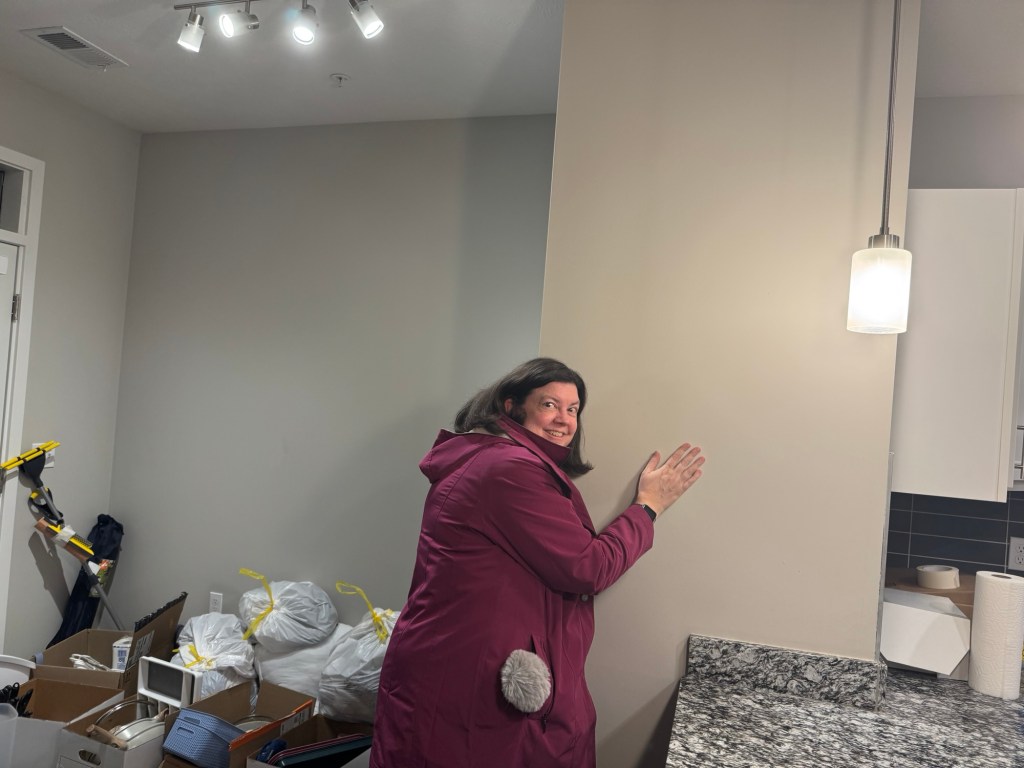
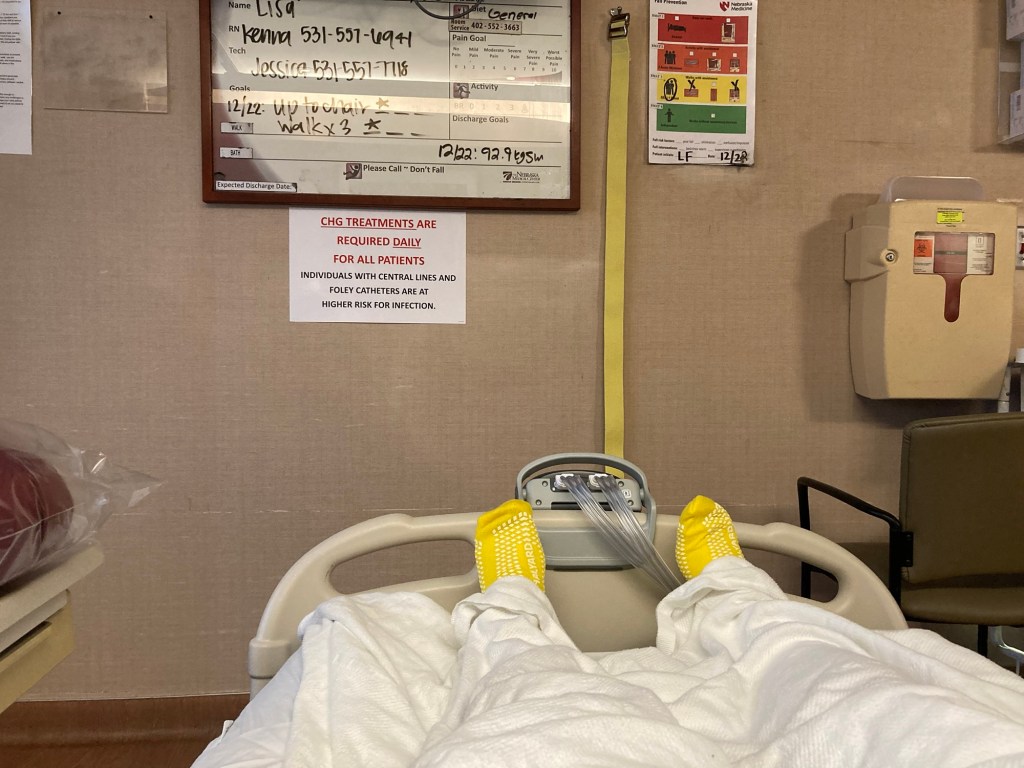


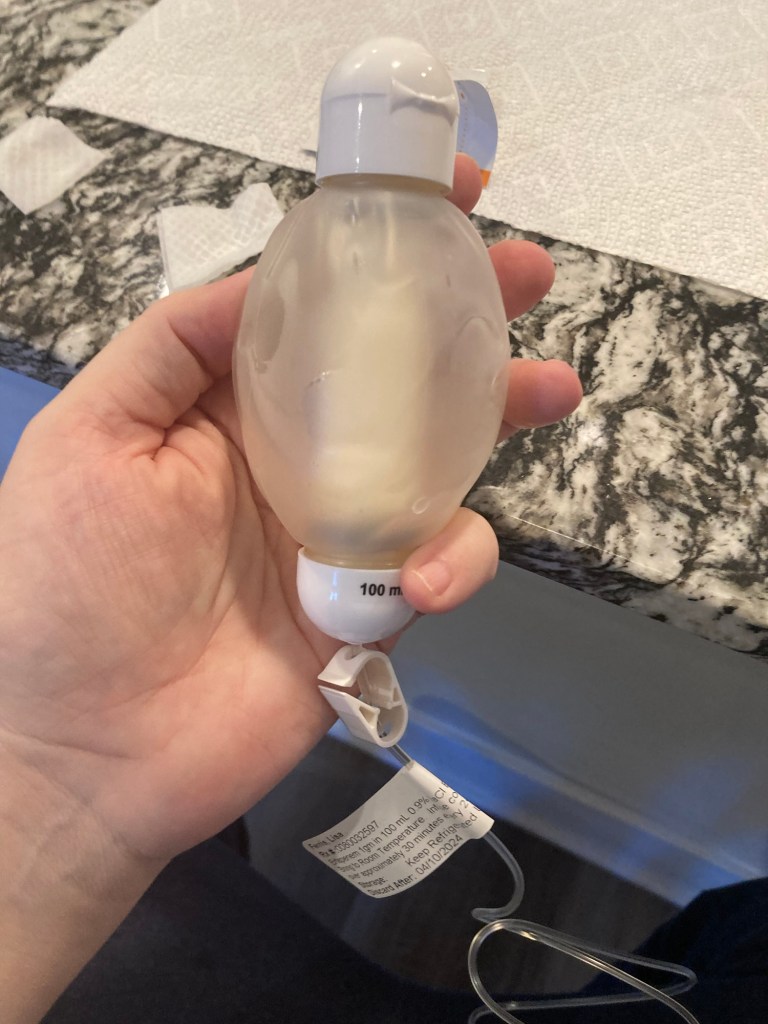
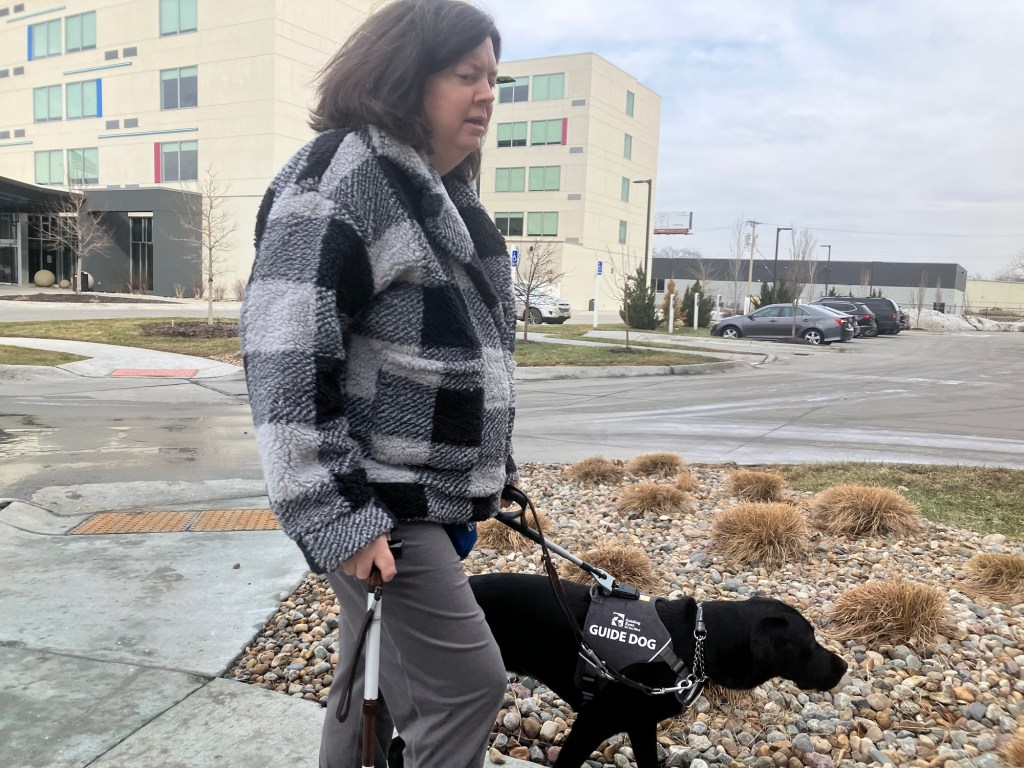
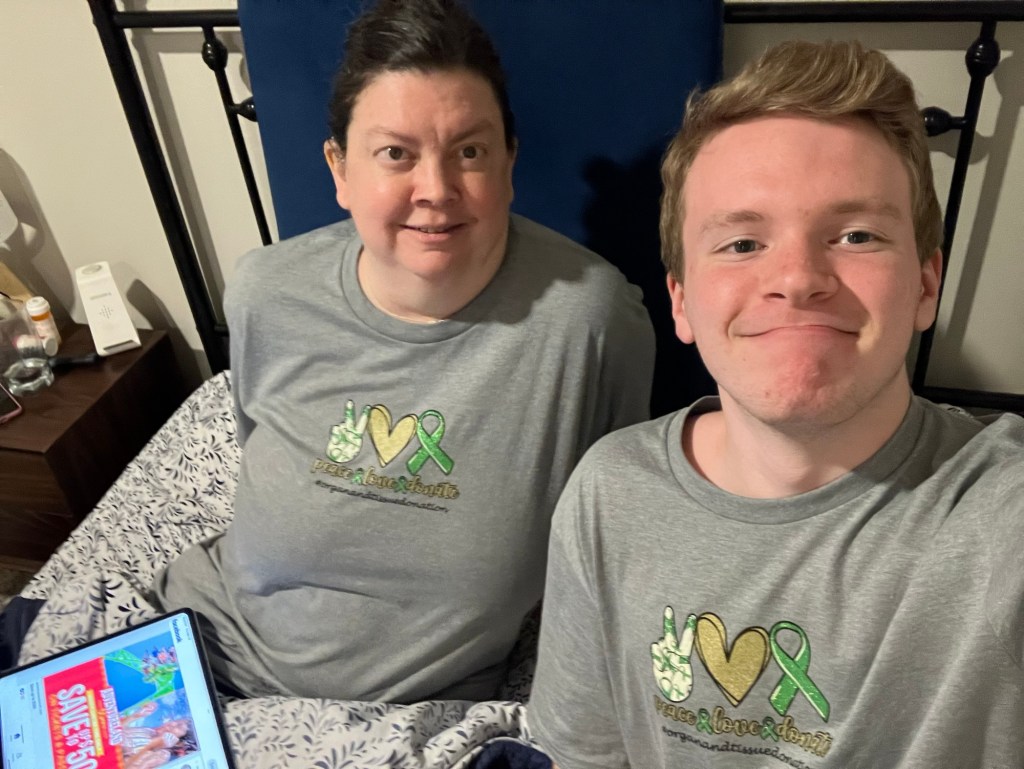


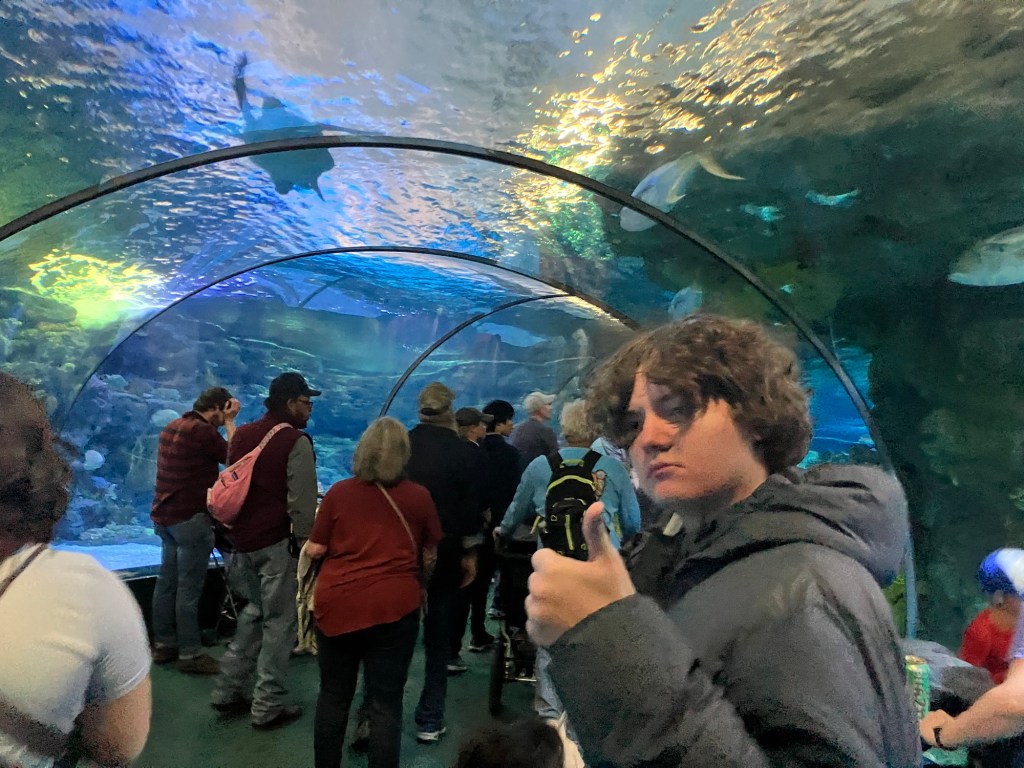


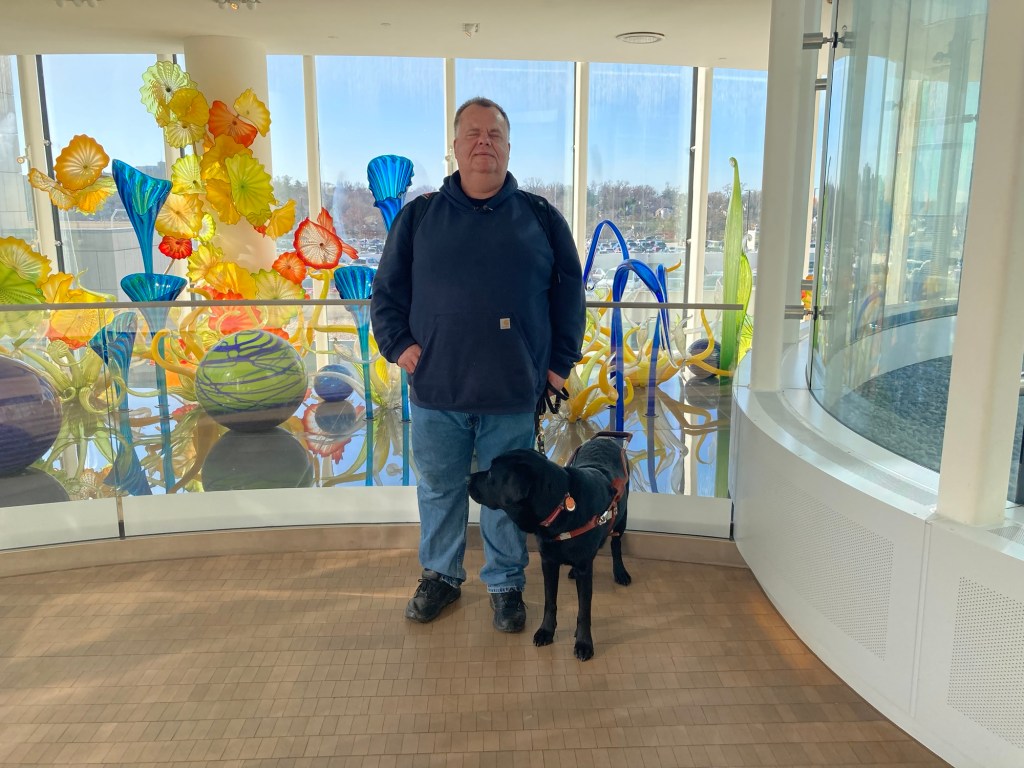


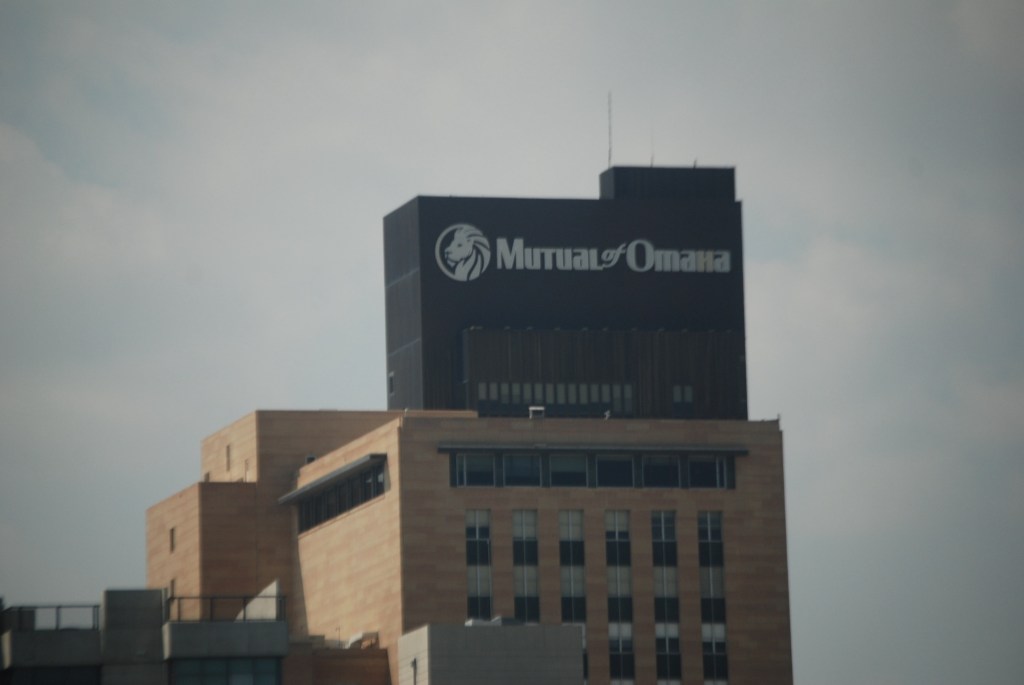

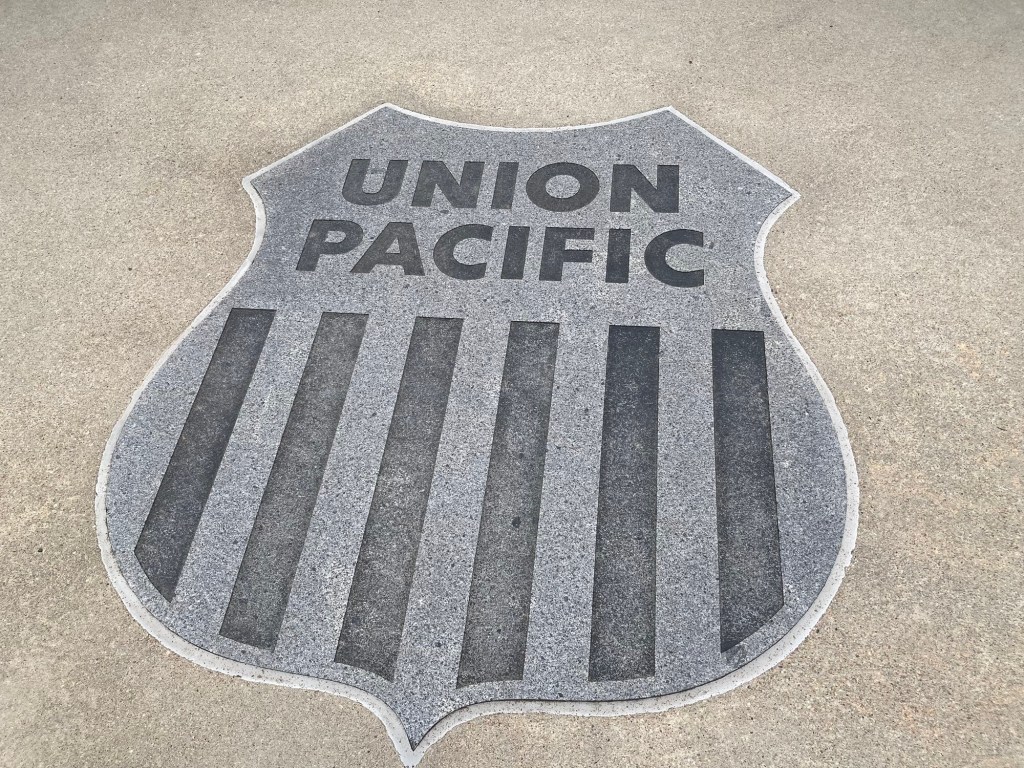
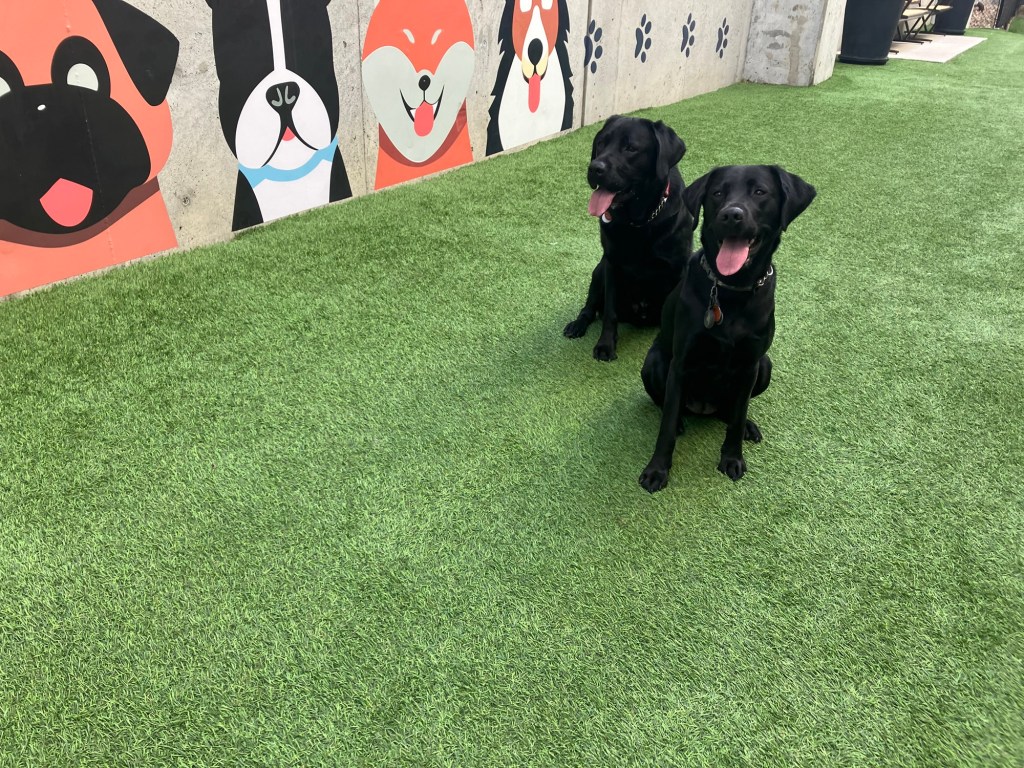
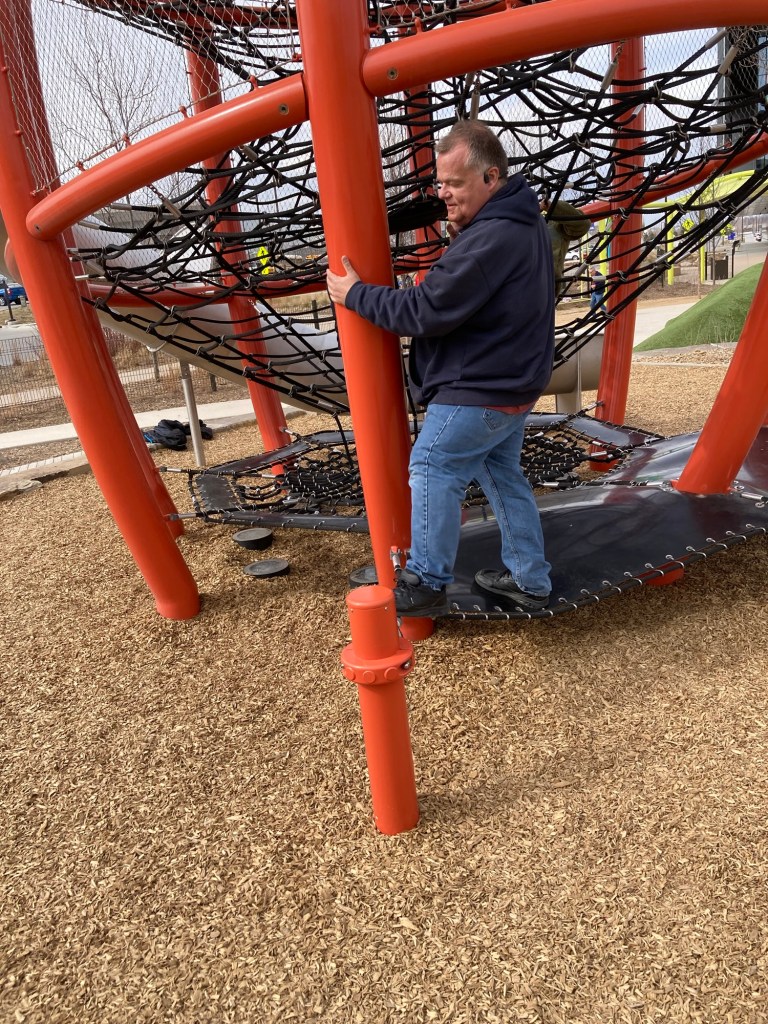

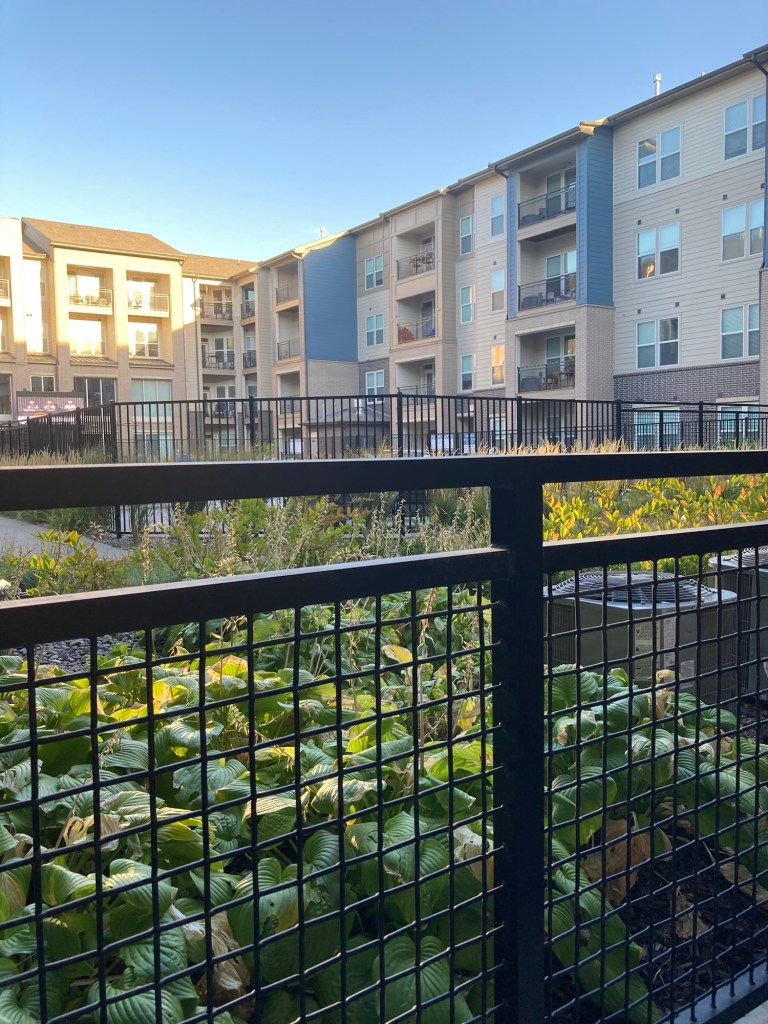
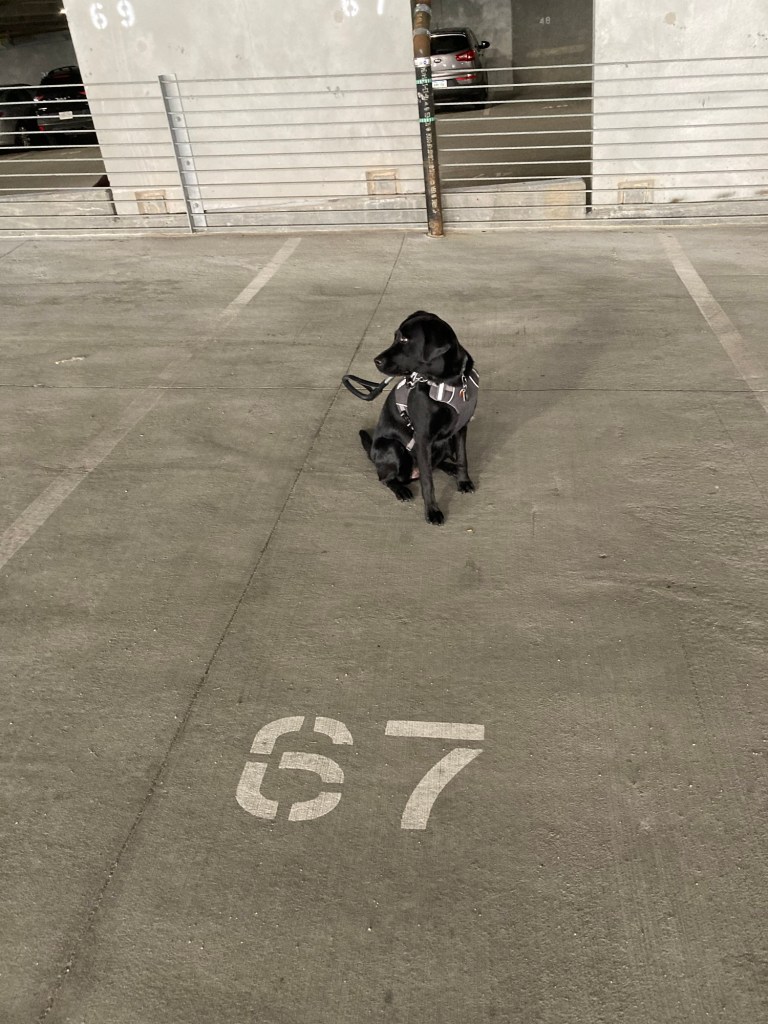

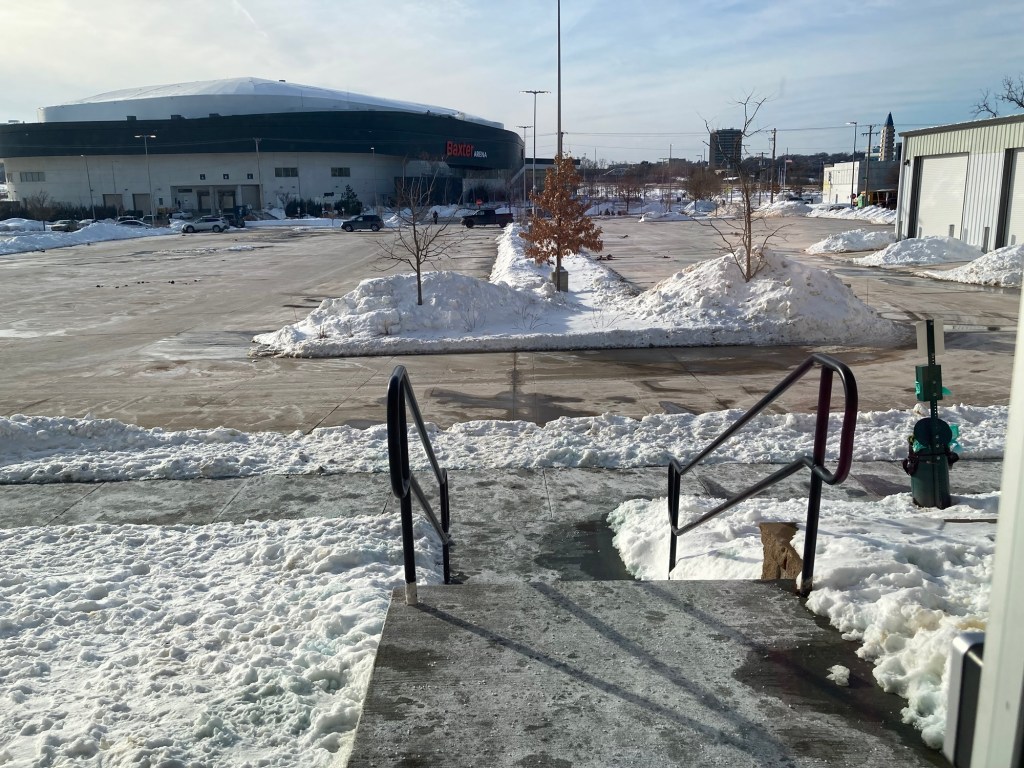
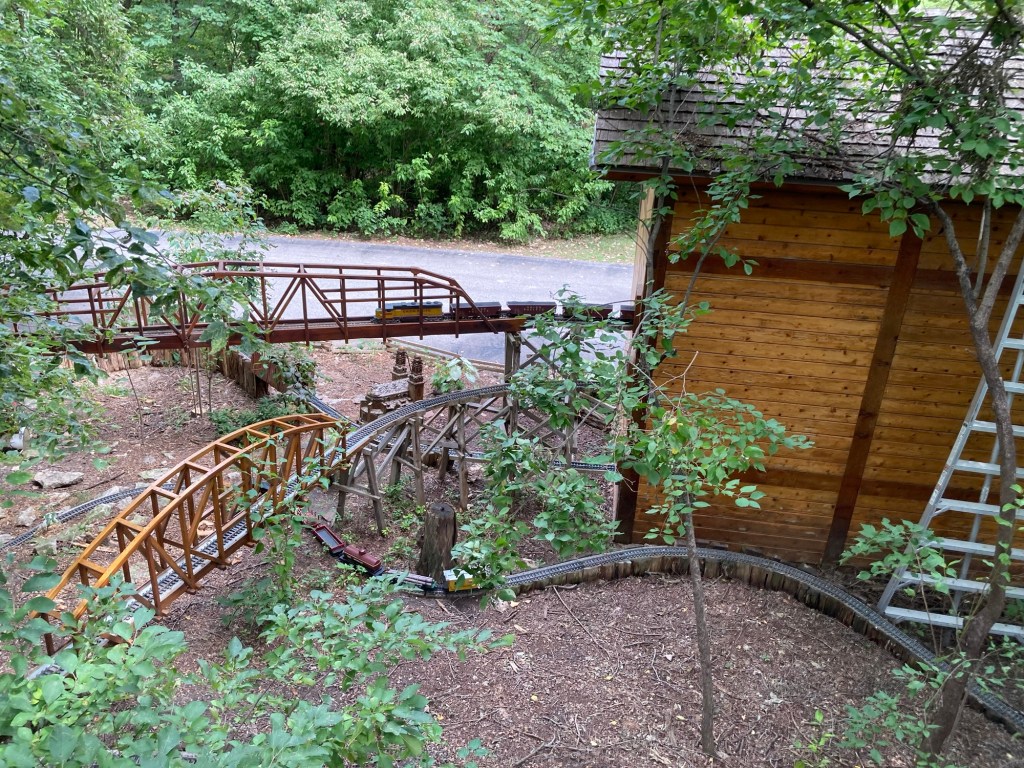


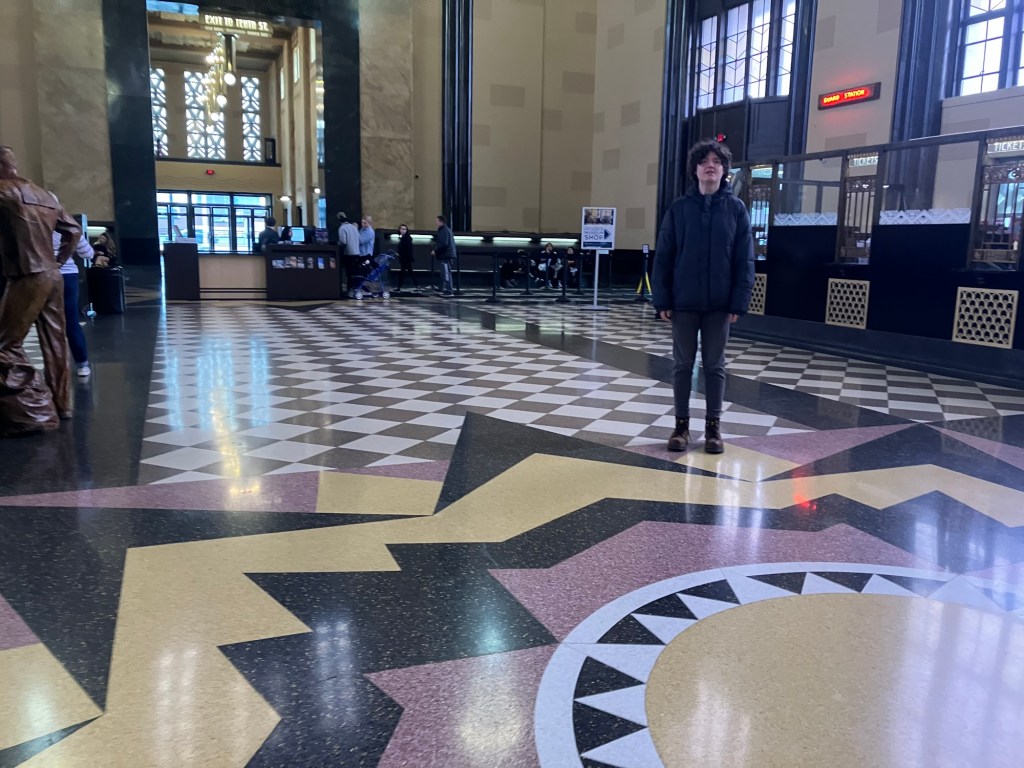


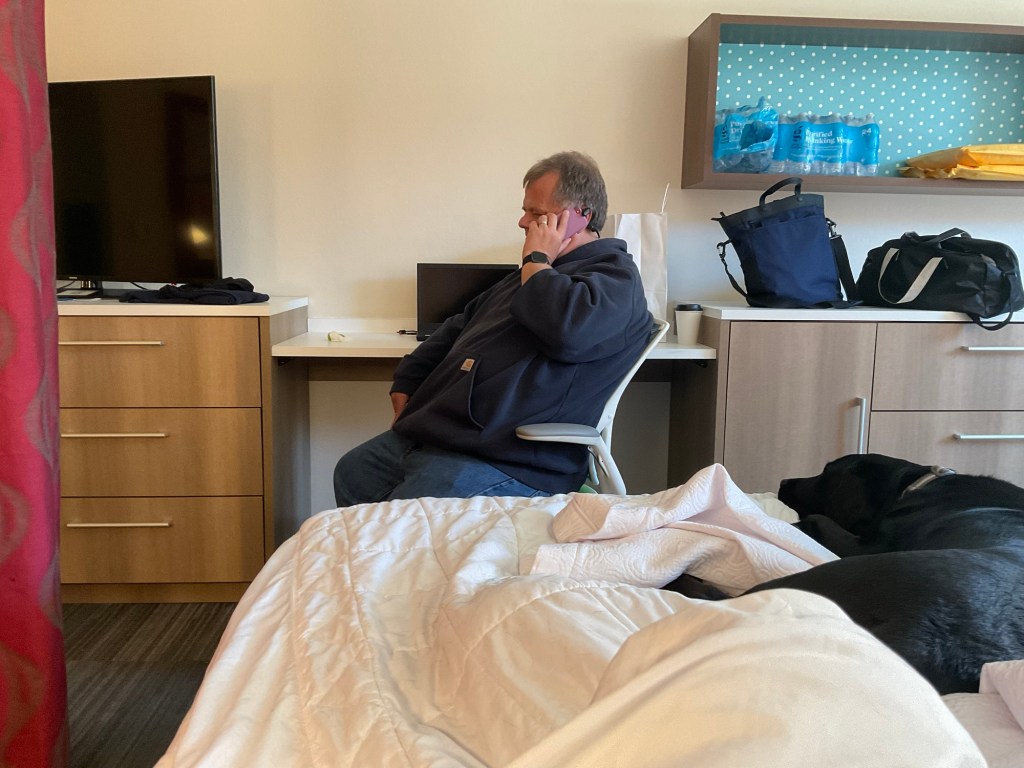
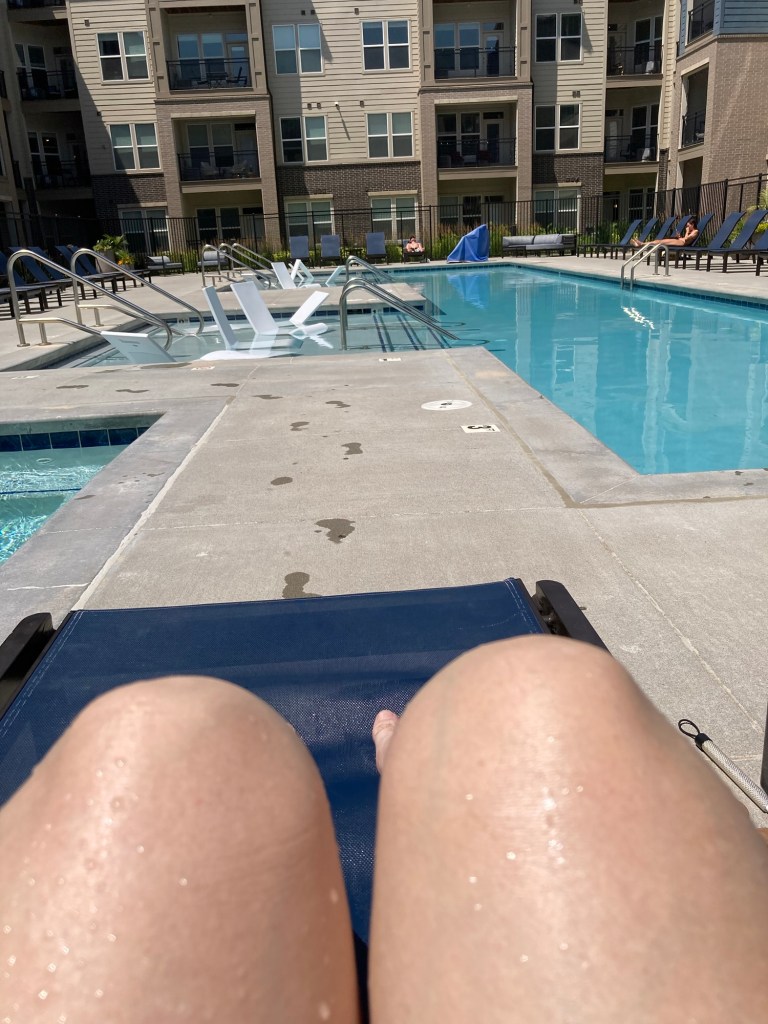


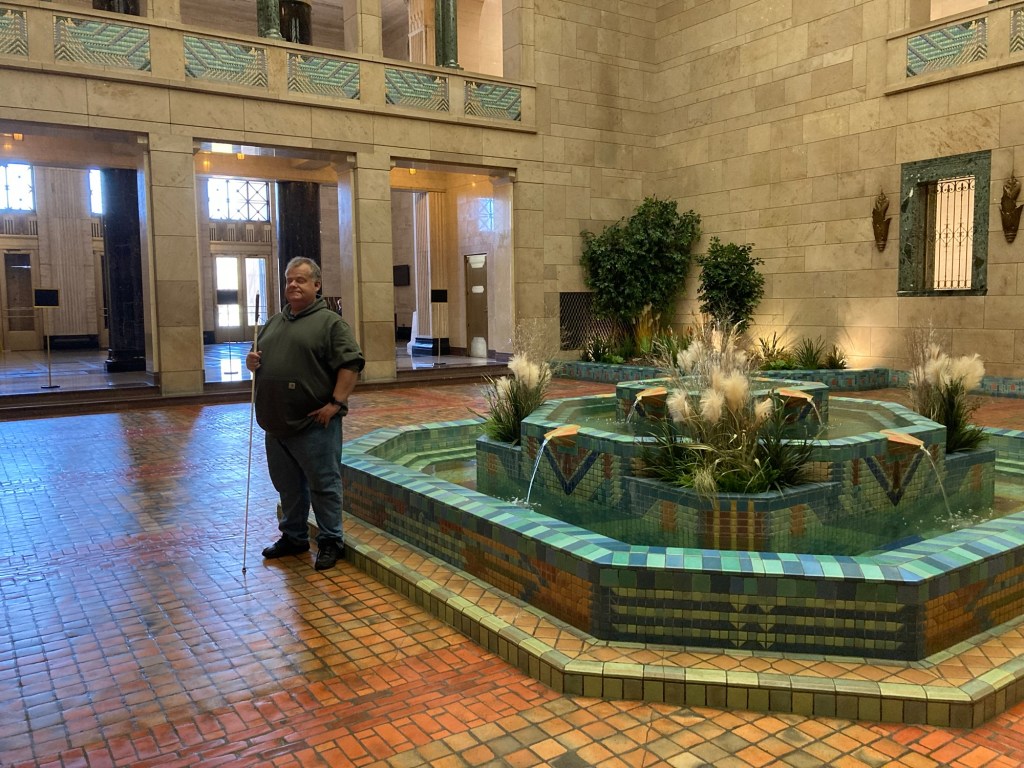

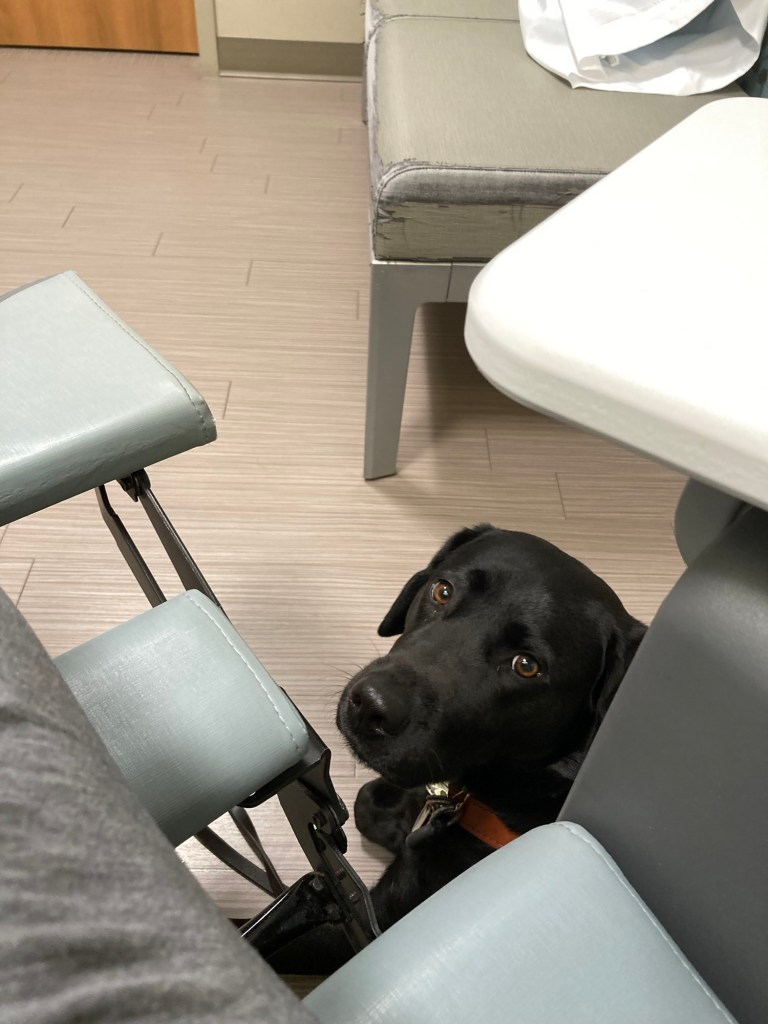
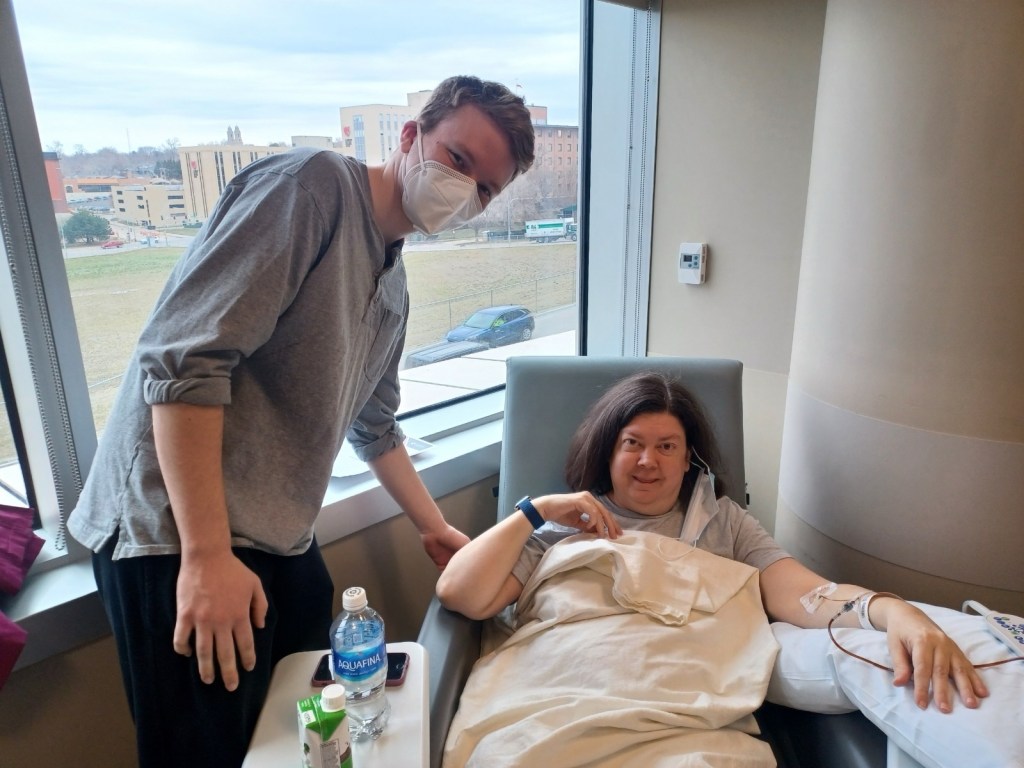


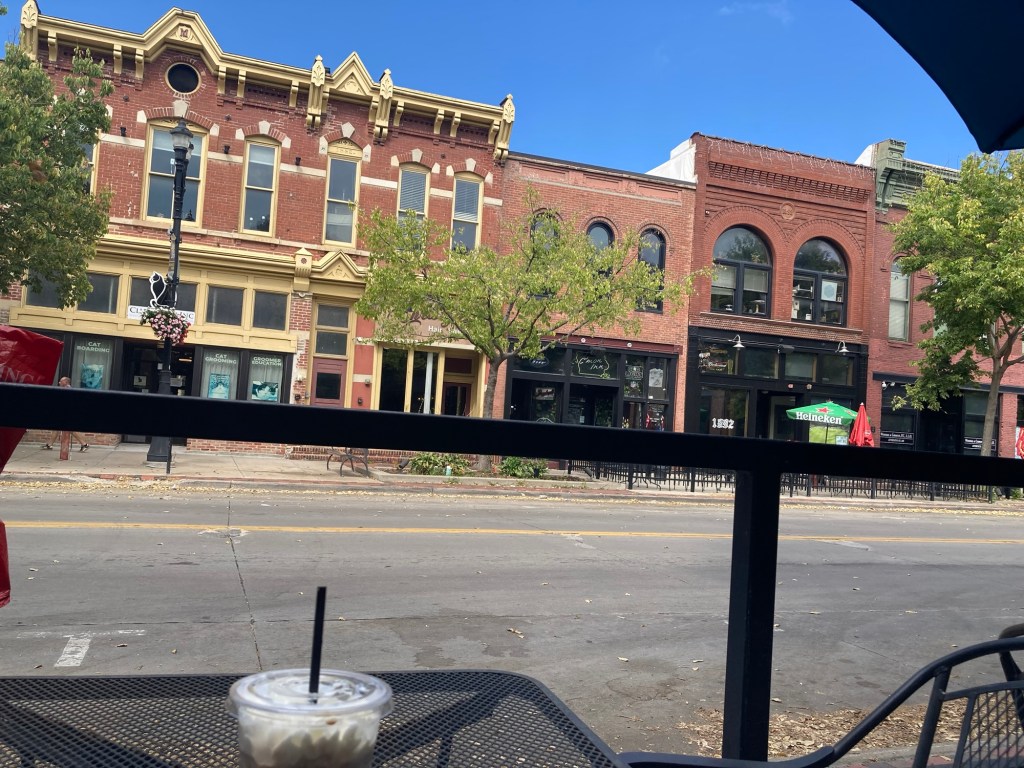


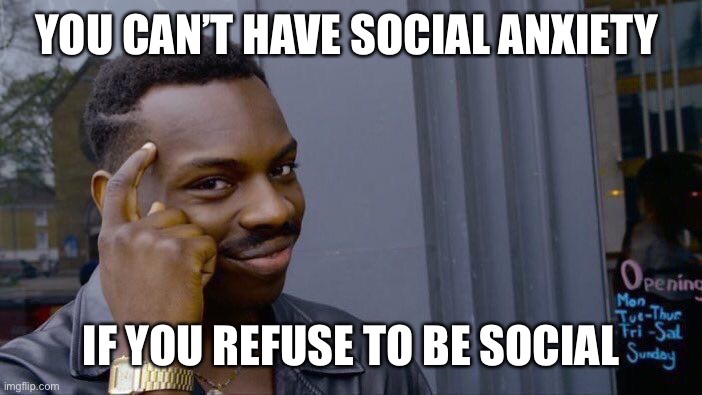
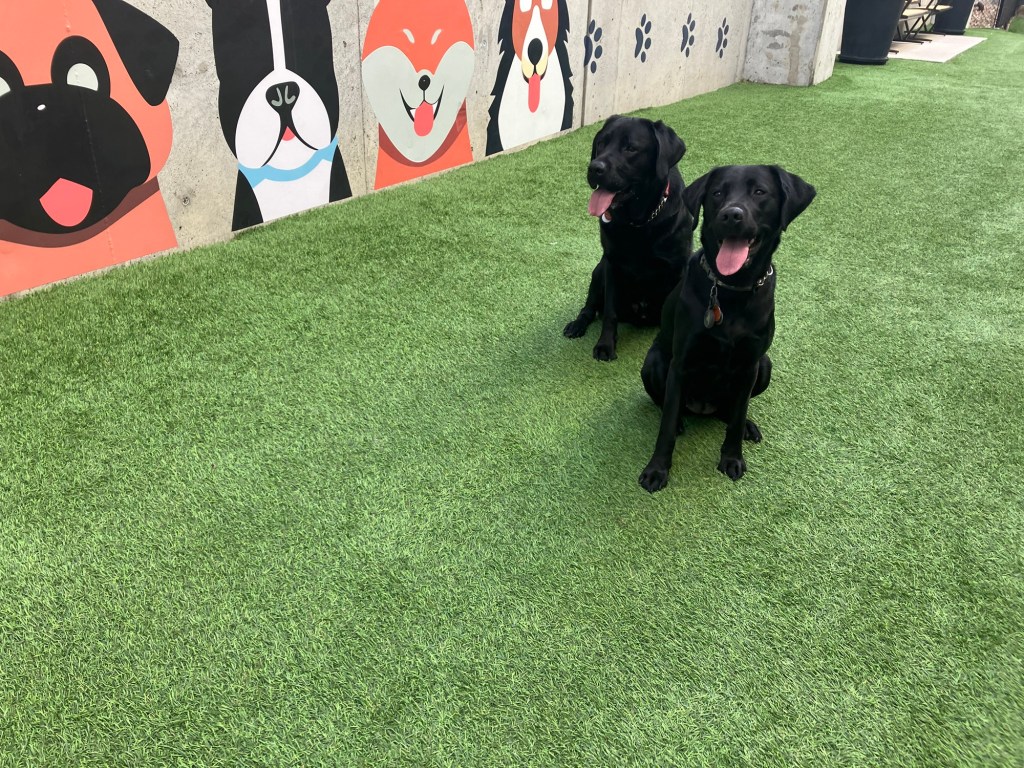


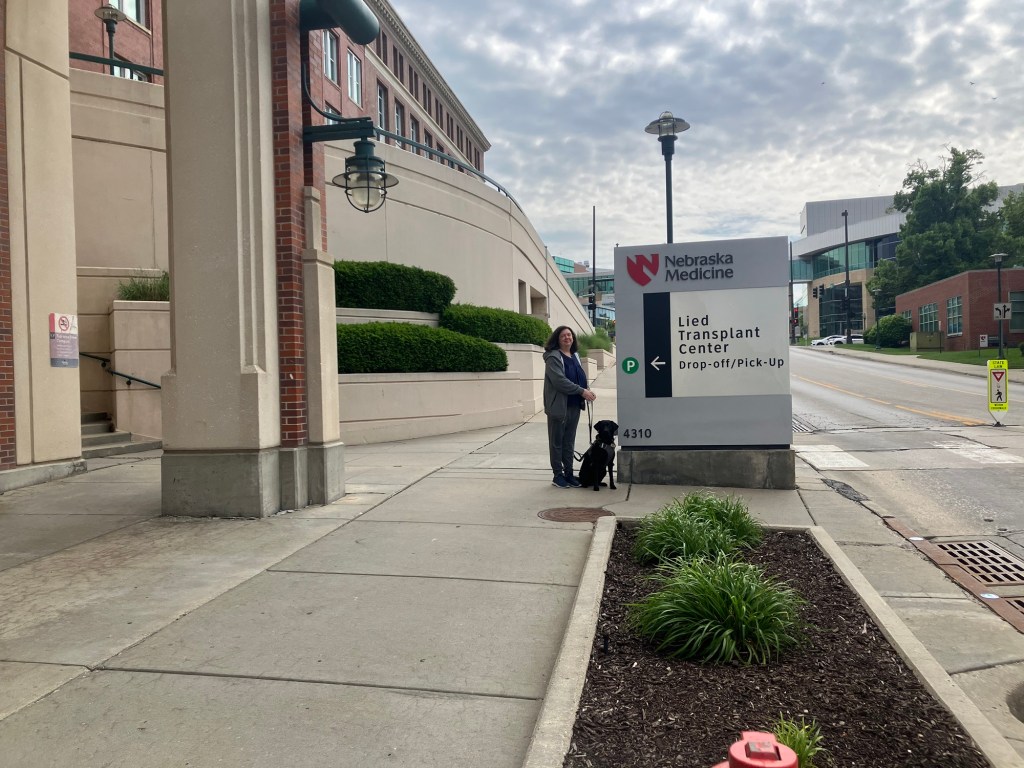


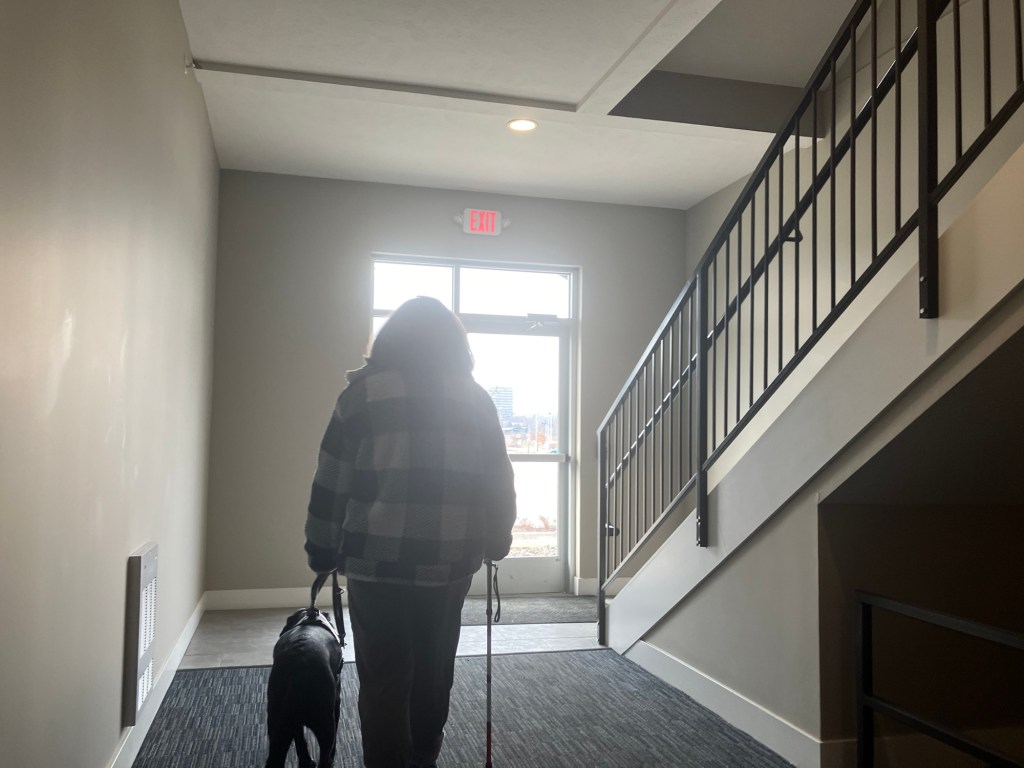
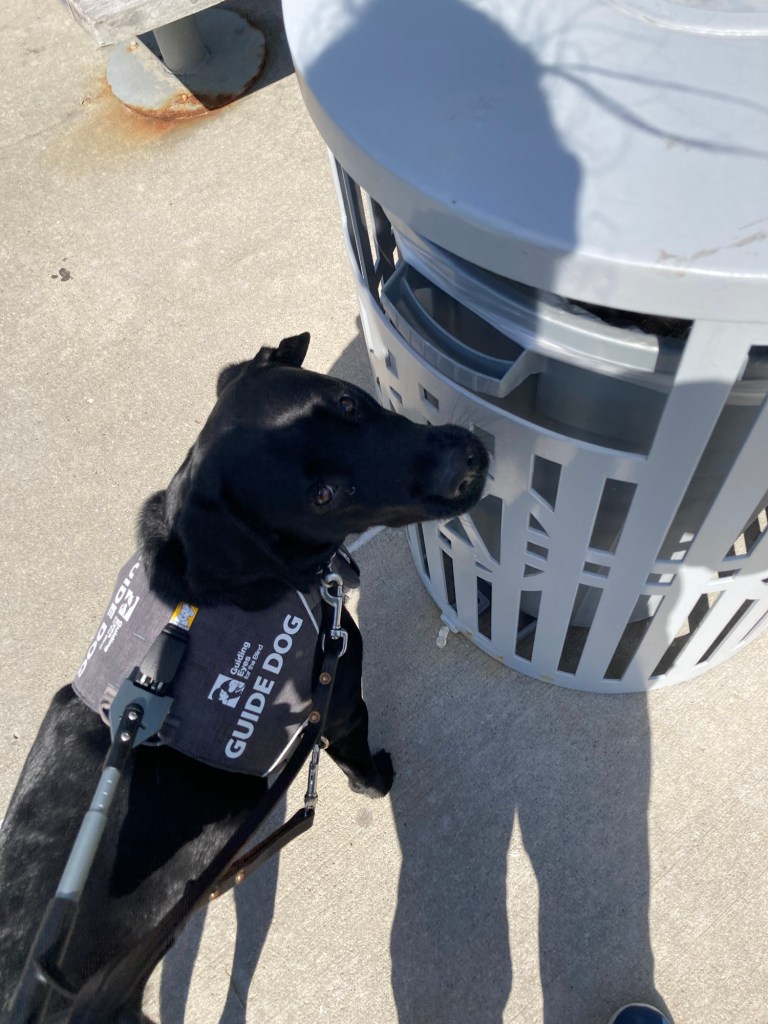


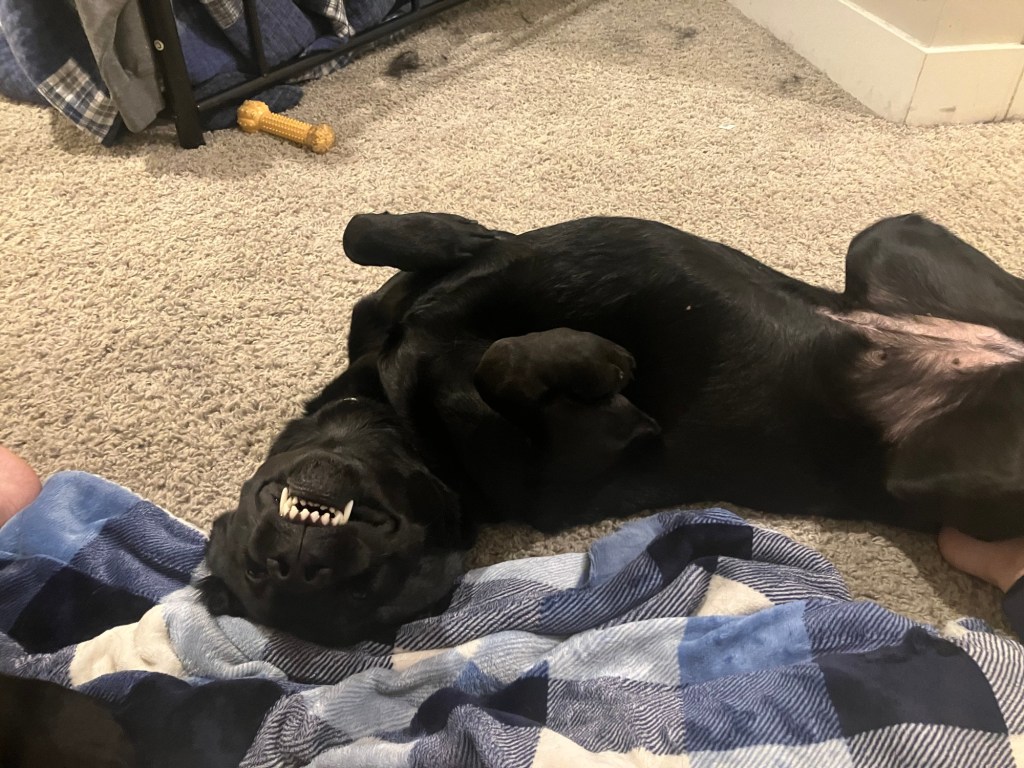


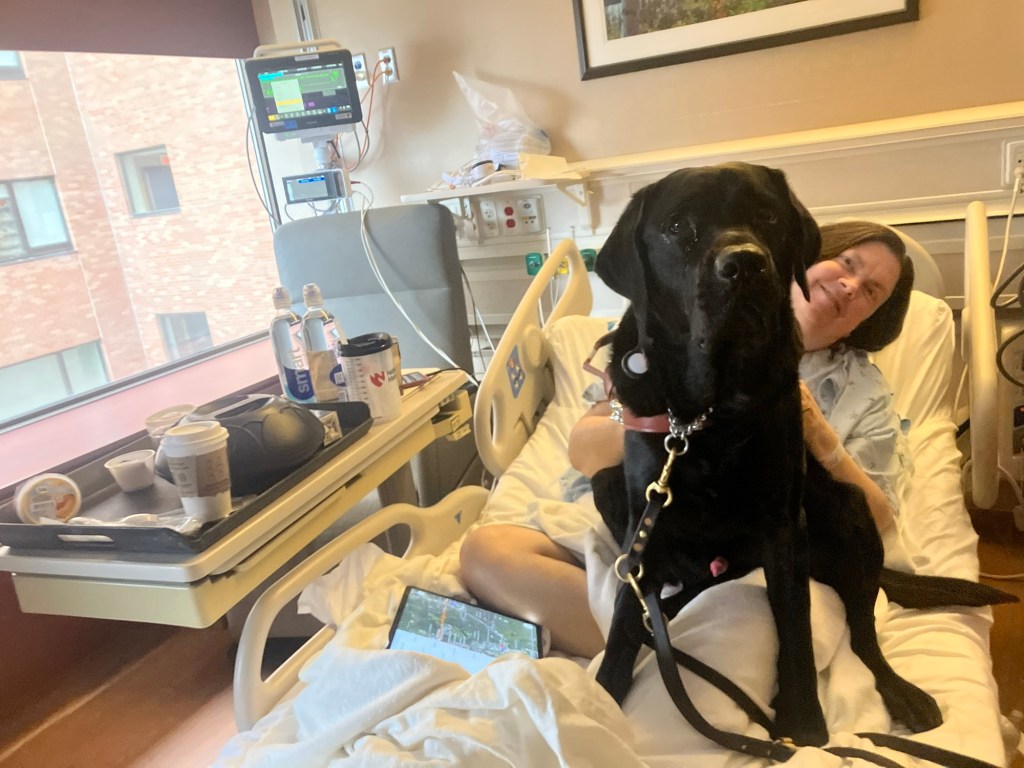





 Writebook